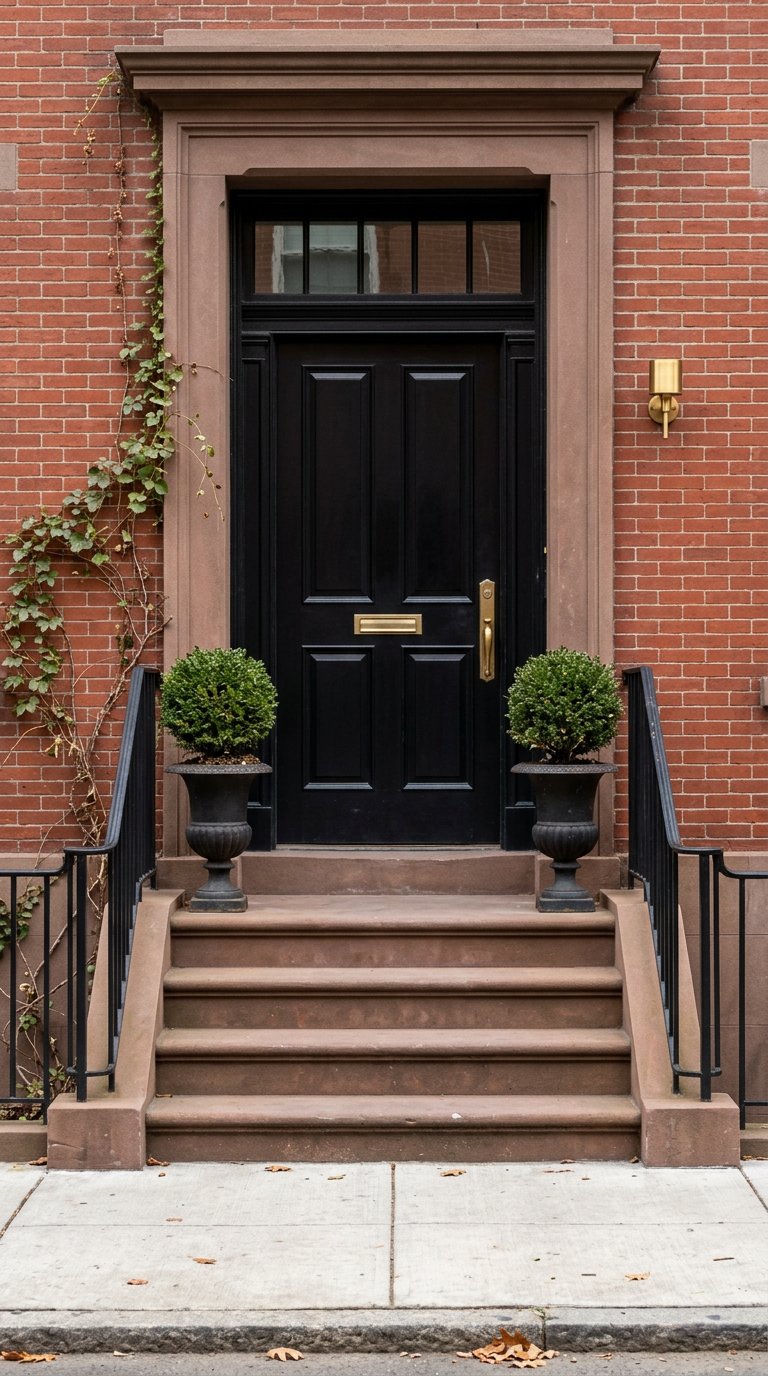
Two Back Bay condos can look identical from the sidewalk, yet live very differently once you learn about their finances, rules, and building systems. In a historic neighborhood where most homes are premium priced, those differences shape your daily comfort, financing options, and future resale. If you are comparing buildings along Commonwealth Avenue and nearby streets, you want a simple, repeatable way to judge quality and risk.
This step-by-step guide shows you how to evaluate any Back Bay condo building with confidence. You will learn which documents to request, what to check in person, how historic rules affect renovations, and the red flags that deserve a pause. Let’s dive in.
Why building choice matters in Back Bay
Back Bay sits in a protected historic district. Exterior changes, roof decks, and anything visible from the street must follow the Back Bay Architectural Commission guidelines. These reviews can add time and cost to façade work, window replacements, and rooftop equipment. They also limit what a condo board can approve, which affects future renovations and building amenities.
This is one of Boston’s highest-price condo markets, so small building-level details can mean real money. Parking, recent capital projects, reserves, and warrantability all influence your buyer pool later. Picking the right building helps protect comfort today and resale tomorrow.
Step 1: Review finances and legal
Start with the resale packet
Ask the seller for a full resale packet as soon as you are serious. In Massachusetts, associations maintain key records that inform your decision. Typical items include: current budget and year-to-date financials, reserve balance and policy, any reserve study, audited or reviewed financials, delinquency report, special assessment history, 12 to 24 months of board minutes, master insurance declarations, management contract, governing documents and amendments, and any litigation disclosures. These requests are standard practice. For an overview of association operations and records, review this resource on Massachusetts condo operation and records.
Reserves and the 10 percent test
Massachusetts law requires every condominium to keep a separate replacement reserve fund, although it does not define an exact amount. You can read the requirement in Chapter 183A, Section 10. In practice, lenders and FHA look for meaningful reserve funding. Many lenders expect around 10 percent of the annual budget allocated to reserves or a recent, credible reserve study that shows adequacy. See the FHA condominium project approval guidance and CAI guidance on reserve funding for why this matters.
What it means for you: thin reserves or a pattern of special assessments can make financing harder for you and for your future buyer.
Delinquencies and collections
Look for the number and percentage of owners more than 60 days behind on fees, plus any recent lien actions. High delinquency can signal cash flow risk for the building and can affect FHA or agency eligibility. Review FHA expectations in this required documents summary.
Litigation and insurance exposures
Ask for a litigation ledger and commentary. Structural or water-intrusion claims, contractor disputes, and façade lawsuits can trigger large assessments. Also study the master insurance policy limits and deductibles. Very high deductibles may shift costs to owners through special assessments or HO-6 policies. The CAI reserve and best-practices overview explains why these exposures matter.
Step 2: Evaluate building systems and condition
Façade, roof, and BBAC oversight
Back Bay’s masonry façades and slate or membrane roofs are beautiful, but repairs are expensive. If you see scaffolding or hear about repointing or roof projects, ask for scope, timetable, bids, and funding plan. Exterior work and visible rooftop elements often require BBAC review, which can add time and affect plans for roof decks or new mechanicals.
Elevators, boilers, and electrical capacity
Elevator modernization is a major cost in older buildings and often funded through reserves or special assessments. Ask when the elevator, boiler, and hot water systems were last replaced and whether replacement cycles are budgeted. In some conversions, in-unit electrical panels are undersized for today’s loads. Upgrades can require building-level coordination and money.
Water and foundation on reclaimed land
Much of Back Bay sits on 19th-century fill, so ask about any history of water infiltration, damp basements, or sump systems. Look for clean, dry mechanical areas and documentation of past mitigation work.
Windows and energy comfort
Historic windows can be single pane and may affect comfort and utility costs. Because visible exterior changes are regulated, replacing or altering windows typically needs BBAC approval. Ask whether the association favors repair, storm windows, or approved replacement types and how that aligns with your comfort goals.
Step 3: Governance, use rules, and amenities
Management and documentation
Who manages the building and how long is the contract? Professional managers often maintain stronger paper trails, but you still need to review documents carefully. For how Massachusetts associations run and recordkeep, see Massachusetts condo operation and records.
Rentals, owner-occupancy, and short-term rentals
Check bylaws for rental caps and minimum lease terms. Short-term rentals are also governed by city rules. Hosts must follow Boston’s short-term rental rules, and buildings may ban transient occupancy. Lender underwriting also pays attention to investor concentration and owner-occupancy, which can influence financing options. You can find agency guidance in the FHA condominium project approval guidance.
Pets and renovations under the BBAC overlay
Confirm pet policies and renovation rules in the bylaws. Internal renovations are typically governed by the association, but any exterior change that is visible, including vents and rooftop elements, will follow BBAC guidelines. This affects plans for roof decks and through-wall HVAC.
Parking, storage, and services
In Back Bay, parking can add significant value and daily convenience. Confirm whether spaces are deeded, assigned, or leased, and whether they transfer at closing. Services like a concierge, gym, or common HVAC can improve convenience and resale appeal, but they also raise monthly fees.
Step 4: On-site questions and comparisons
When you tour, use the same script every time so you can compare buildings fairly:
- Is there current scaffolding or notice of façade or roof work? If yes, ask for project scope, bids, start date, funding source, and expected assessments. Review the need for BBAC approval if work is visible from the street.
- When were the roof, boiler, hot water system, and elevators last replaced or modernized? Are replacements included in a reserve plan supported by a study? Reference CAI guidance on reserve funding as a benchmark.
- Is parking deeded, transferable, or on a waitlist? How many spaces per unit type and what are monthly costs if applicable?
- What is the history of monthly fee increases over the last five years?
- How many units are investor owned versus owner occupied? How many are over 60 days delinquent? Lenders review these ratios, as outlined in FHA’s required documents.
- Do the bylaws allow short-term rentals? How do policies interact with Boston’s short-term rental rules? Is extra insurance required for hosts?
Quick checklist for offers and inspections
Use this condensed list to keep your process clear.
Pre-offer
- Request the complete resale packet: budget, reserve balance and policy, any reserve study, 24 months of minutes, insurance declarations, current operating statements, delinquencies, pending or recent special assessments, vendor contracts, and litigation summary. See Massachusetts condo operation and records for context.
- Ask your lender to pre-check building warrantability and agency eligibility or the need for a single-unit approval. Use the FHA condominium project approval guidance to understand how this affects financing.
Red flags
- No separate reserve account or a zero reserve balance in an older building. The law requires a reserve fund per Chapter 183A, Section 10.
- Recent or planned special assessments without a clear budget, timeline, or funding source. See CAI guidance on reserve funding for best practices.
- Active litigation connected to structure, façade, or major vendors. This often leads to higher risk and potential assessments. Refer back to your legal disclosures in the resale packet and the operations overview at Massachusetts condo operation and records.
- A master insurance policy with very high deductibles or coverage gaps. This can increase owner liability, as outlined in reserve and risk best practices from CAI.
- The building is non-warrantable for agency financing and your lender has limited options. Review this guide to warrantable vs non-warrantable condos to understand the differences.
Closing stage
- Request an updated estoppel or resale certificate a few days before closing to confirm new assessments or fee changes and how they will be settled. See Massachusetts condo operation and records.
- Confirm the master insurance declarations and recommended HO-6 coverage, including deductibles.
How building traits influence price and comfort
- Parking: Deeded or transferable parking improves daily convenience and often supports higher resale values in Back Bay. Compare sales with and without parking to understand premiums.
- Doorman and full-service: Concierge service and staffed buildings raise monthly fees but usually expand your buyer pool in the luxury and downsizer segments, which can speed resale.
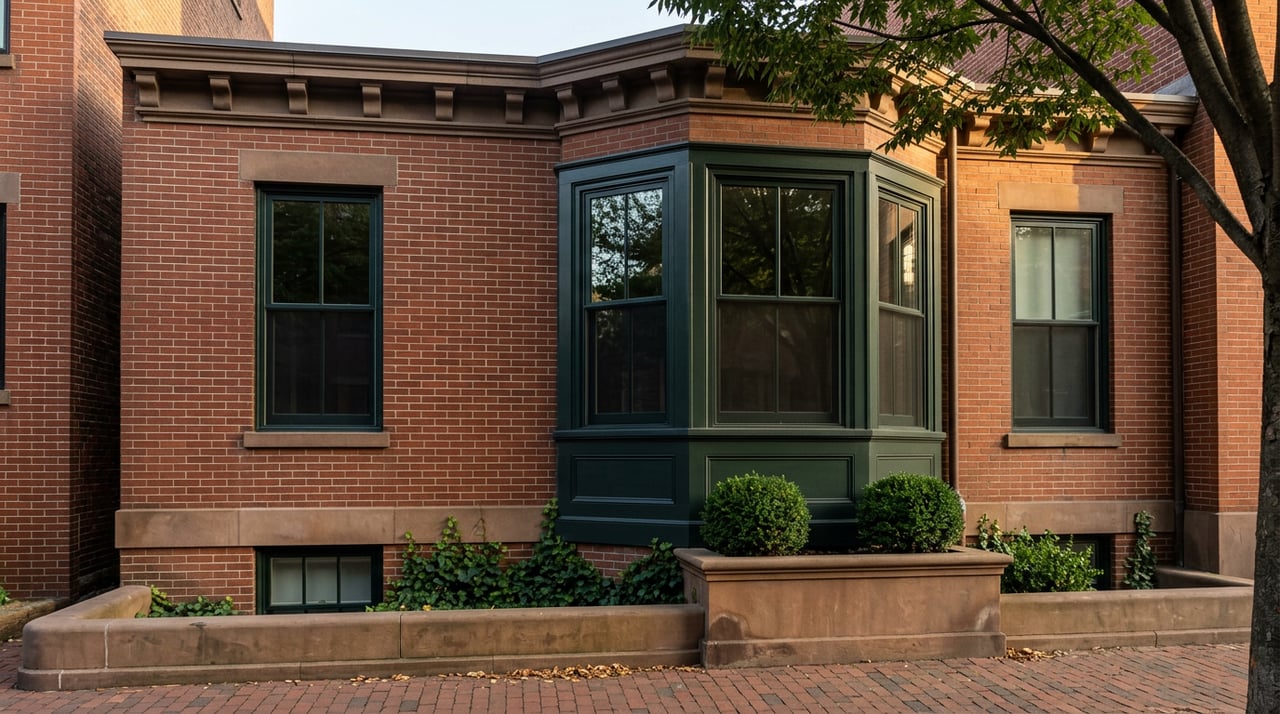
- Historic fabric: Back Bay brownstones and masonry buildings carry prestige and character. Exterior upkeep is costlier and must work within BBAC guidelines, which can slow or limit projects.
- Central systems: Boilers, chillers, and elevators deliver comfort when maintained well, but replacement is expensive. Healthy reserves and a current capital plan reduce surprise assessments, as noted in CAI guidance on reserve funding.
- Rental and STR policies: Tighter rules may reduce investor demand but often appeal to long-term owners. Investor concentration and short-term rental policies also influence financing eligibility per FHA guidance and Boston’s regulations.
Work with a Back Bay specialist
Evaluating a Back Bay building is part financial analysis, part systems check, and part regulatory review. With the right questions and documents, you can compare apples to apples and move with confidence. If you want a calm, strategic process and principal-level guidance from someone who works both Back Bay and the MetroWest suburbs, connect with Rachel Lieberman to schedule a strategy call.
FAQs
What should I review first when comparing Back Bay condo buildings?
- Start with the resale packet: current budget, reserve balance and policy, any reserve study, minutes, insurance declarations, delinquencies, special assessments, vendor contracts, governing documents, and any litigation. Use this to screen financial health and risk, as outlined in Massachusetts resources on association records.
How do BBAC rules affect my ability to add a roof deck or replace windows?
- The Back Bay Architectural Commission reviews exterior work and anything visible from the street. Roof decks, visible mechanicals, vents, and many window changes often require approval under the BBAC guidelines, which can add time and limit design options.
What does it mean if a Boston condo building is non-warrantable?
- Non-warrantable buildings do not meet agency or FHA criteria, often due to reserve funding, litigation, commercial space, or owner-occupancy mix. Financing options may be fewer and rates or terms may differ, so you should ask your lender early about project eligibility and single-unit approvals.
Are short-term rentals allowed in Back Bay condo buildings?
- It depends on both city rules and the association’s bylaws. Boston requires hosts to follow the city’s short-term rental registration and licensing, and many associations either restrict or ban transient occupancy. Confirm both sets of rules before you buy.
How can I tell if a building’s reserves are strong enough?
- Look for a separate reserve account, consistent contributions, and a recent reserve study that aligns with upcoming capital needs. Many lenders view around 10 percent of the annual budget to reserves or a current reserve study as a positive sign of adequacy.
What are the most expensive building systems to watch in Back Bay?
- Façade and masonry repairs, roof replacements, elevator modernizations, and central boilers or chillers often carry the largest price tags. Ask for replacement dates, warranties, capital plans, and whether funds are set aside in reserves to avoid surprise assessments.