Thinking about buying or selling a luxury home in Weston? You’re looking at one of MetroWest’s most unique micro-markets, where larger lots, conservation land, and strong schools shape pricing and pace. If you understand how luxury is defined locally, what drives premiums, and how to read comps, you can move with confidence. This guide breaks down Weston’s high-end segment and gives you clear next steps. Let’s dive in.
What counts as luxury in Weston
National outlets often define luxury as the top 10 percent of sales. In Weston, that translates to bigger nominal numbers than you might expect. Local reporting on 2025 activity shows roughly 167 residential closings and about 15 sales above $5 million, which aligns the upper tier near that threshold. Based on recent patterns, think of $3 million to $5 million as premium and $5 million plus as upper or ultra-luxury, depending on the year and exact percentile.
- Weston’s volume is relatively small, so one or two ultra-luxury closings can shift averages for a given month. Ranges matter more than single-point estimates.
- For context, the typical single-family value often centers around the low to mid $2 million range, but luxury tiers sit well above that band.
You’ll want to calibrate your expectations by price band and by property type. Estate homes on multi-acre lots perform differently from newer construction on smaller parcels.
Market snapshot you can use
- Sales mix and top-end activity. A recent local press recap of 2025 closings confirms a meaningful luxury tail, including a small set of double-digit-million sales. That’s a strong indicator of sustained top-tier demand.
- Price per square foot. Mid-period reports place price per square foot in the high hundreds for many sales, with $500 to $700 plus per square foot common depending on lot, age, and finish level. Estate sales and new construction can push numbers higher.
- Small-sample volatility. With dozens, not hundreds, of annual transactions, Weston’s monthly medians can bounce. Track several months and look at bands rather than a single snapshot.
For a complete picture, pair public records with your agent’s on-the-ground read. Private sales and delayed reporting can blur the top of the market in real time.
Supply, inventory, and timing
Weston follows a New England rhythm. Spring is reliably active, with a secondary bump in late summer and early fall. Luxury homes transact year-round, and high-end sellers often value discretion, so private or off-market activity is common.
- Inventory: Expect options to be measured in the dozens, not hundreds, at any time. That keeps selection tight, especially for very specific wish lists.
- Sale-to-list: In recent snapshots, sale-to-list ratios clustered in the mid-90s percent. This suggests some negotiating room, but the behavior varies by price band and property type.
- Days on market: Larger estates can take months to place because the buyer pool is smaller and due diligence is more involved. Plan for a longer runway at the very top.
If you are a buyer, this environment rewards preparation and patience. If you are a seller, pricing strategy and professional presentation will shape your timeline more than any single market headline.
What drives premiums in Weston
Schools and educational reputation
Families often cite schools as a major reason to choose Weston. Third-party sources place Weston Public Schools among highly ranked districts in Massachusetts. If schools are a priority, confirm current data and boundaries before you buy or sell, since this factor influences value and demand.
Lot size, privacy, and open space
Zoning in Weston requires substantially larger lots than many nearby suburbs. Minimum lot areas of 40,000 to 60,000 square feet in key districts limit density and preserve privacy. Pair that with extensive conservation land—about 2,000 acres protected and nearly 100 miles of trails—and you get structural scarcity. The result is a meaningful land and privacy premium, especially for well-sited parcels.
In practice, two similarly sized homes can sell very differently if one sits on 2 plus acres with mature buffers and the other has a smaller or less usable yard. When reading comps, adjust for acreage, frontage, setbacks, and tree cover, not just interior finish.
Commute and transit access
For executives who split time between the suburbs and the city, access matters. Weston has two Fitchburg Line commuter-rail stops—Kendal Green and Silver Hill—with typical service to North Station. Proximity to the Mass Pike and Route 128 also plays a role, as does access to the Riverside terminal for park-and-ride convenience. If you work in Boston, Cambridge, or Newton, build realistic peak-hour timing into your short list.
Historic character and new construction
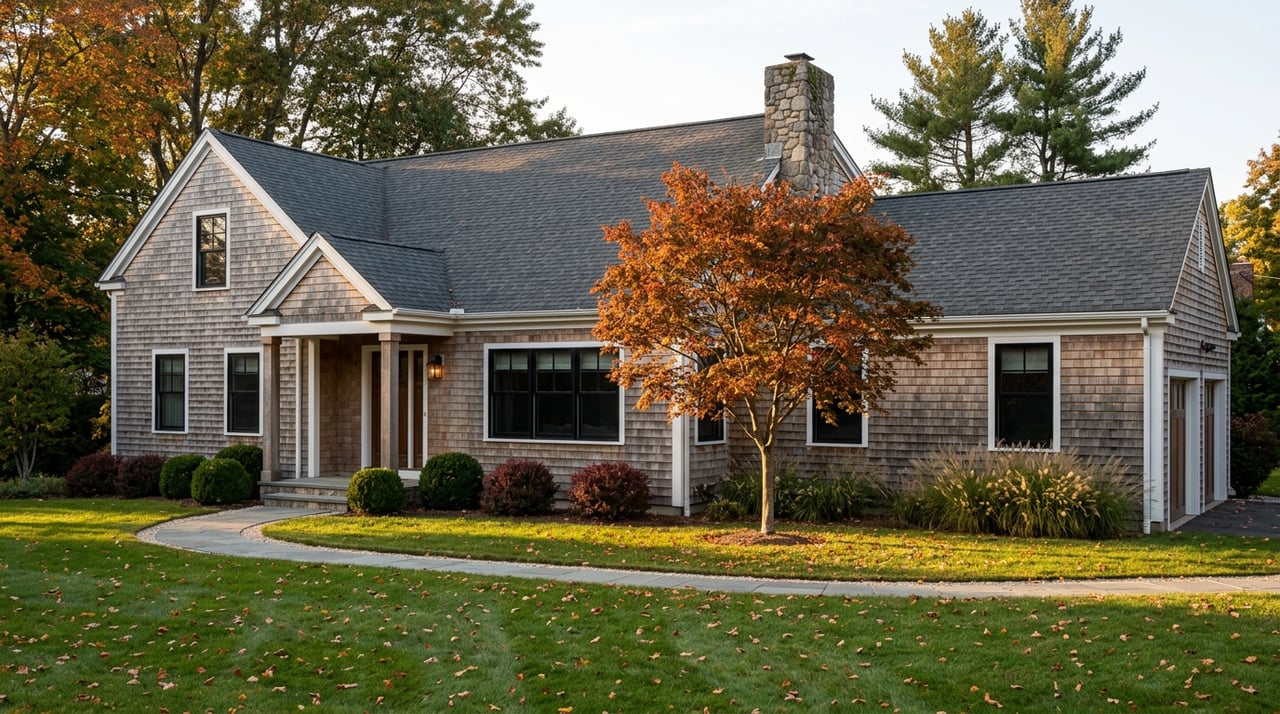
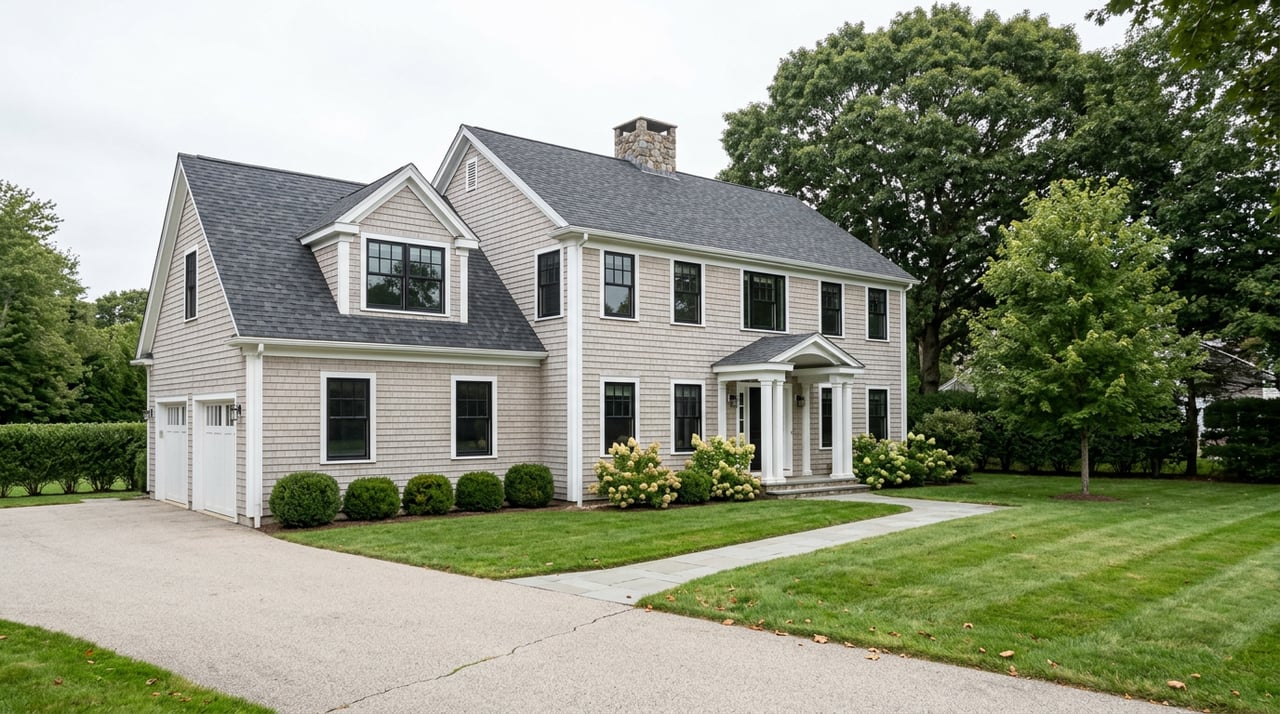
Weston blends historic districts with a range of architectural styles, from classic Colonial and Tudor to mid-century modern and contemporary builds. Distinctive design, preserved streetscapes, and quality new construction can command premiums beyond simple square footage math.
Septic, wetlands, and permitting realities
Weston does not have a townwide sanitary sewer. Most homes rely on private septic systems regulated under Title 5 and local boards. Wetland buffers, aquifer protections, and scenic-road rules can limit where and how you build or expand. These constraints increase the value of well-located, buildable parcels and make early due diligence essential for buyers planning renovations.
How to read comps in Weston
Small sample sizes and off-market closings can make comps tricky. Use this framework:
- Start with multiple sources. Pair public records with qualitative local insight so you see the full picture, not just MLS medians.
- Normalize for land. Adjust for acreage, usable yard, orientation, setbacks, and privacy buffers. Land often matters more than minor finish differences.
- Note infrastructure. Confirm septic age and Title 5 status. Flag wetland or aquifer overlays that could affect expansion potential.
- Weigh features that matter here. Pools, guest suites, finished lower levels, and garage capacity can shift buyer demand.
- Account for off-market sales. Many high-value estates trade privately, so medians may understate the top. Ask your agent for any recent deed records that did not flow through public feeds right away.
Offer strategy and negotiation
Longer days on market at the top end are common and do not always signal a problem. Price, a narrower buyer pool, or privacy preferences can all be factors. Focus on property fundamentals and trend lines by price band.
Buyer playbook:
- Secure the right financing. If your loan amount exceeds conforming limits, you will be in jumbo territory with different documentation and rate structures. Confirm current county-specific limits with your lender for clarity.
- Model appraisal risk. If your offer stretches beyond recent comps, plan how you will handle a short appraisal. Consider an appraisal-gap approach with counsel.
- Front-load inspections. Order septic and Title 5 inspections early, and add a wetlands screen if you intend to renovate.
- Sharpen terms. Cash, higher earnest money, fewer outs, or a flexible close can help in competitive situations.
Seller playbook:
- Price to the segment you want. Calibrate to the most relevant set of comps and highlight what makes your property rare: lot size, setting, architecture, or school and commute advantages.
- Pre-market prep. Consider pre-list septic, roof, and structural checks to reduce friction. Professional staging and photography will help buyers focus on space and setting.
- Market broadly and thoughtfully. Combine public exposure with targeted outreach where appropriate. Expect more time to secure the right buyer for estate-scale homes.
Financing realities to plan for
- Conforming vs. jumbo. Many Weston purchases will exceed conforming loan limits. Because limits change by year and county, verify the current thresholds with your lender and understand how they affect rates, down payment, and underwriting.
- Documentation. High-balance loans often require more thorough income and asset verification. Start the process early so financing does not become your pacing item.
Due diligence checklist
Use this quick list to streamline your process:
- Schools: Review current performance metrics and attendance boundaries for Weston Public Schools.
- Site and systems: Confirm septic age, Title 5 status, and any replacement history. Ask for recent pumping and maintenance documentation.
- Environmental overlays: Check for wetlands, aquifer protection, and scenic-road constraints that could affect additions or lot work.
- Commuting: Test-run peak-hour drives and explore commuter-rail timing from Kendal Green or Silver Hill. Consider proximity to Mass Pike, Route 128, and Riverside.
- Architectural and historic context: If the property sits within or near a historic district, confirm exterior change guidelines before planning major updates.
Comparing Weston to nearby towns
If you are weighing Weston against Newton or Wellesley, remember you are comparing different land-use patterns. Weston’s larger lots and more rural feel often translate to higher per-acre pricing and a distinct lifestyle. Use local, like-for-like comps rather than county averages to avoid false comparisons.
Ready to move with confidence?
Luxury in Weston is defined by land, privacy, and thoughtful controls as much as by square footage. When you tailor your strategy to those drivers—plus seasonality, due diligence, and financing—you make clearer decisions and negotiate from a position of strength.
If you are considering a sale or purchase, connect for a calm, principal-led plan that fits your goals. Schedule a strategy call with Rachel Lieberman to map your next steps.
FAQs
What defines a luxury home in Weston, MA?
- In Weston, luxury tracks the top 10 percent of local sales. Recent reporting shows about 15 sales above $5 million in 2025, so $3 million to $5 million is often premium and $5 million plus is upper-tier.
How long do estate-scale homes take to sell in Weston?
- Expect several months for large estates due to a smaller buyer pool and more complex due diligence; timeline depends on price, presentation, and how closely it matches recent comparable sales.
How do zoning and lot size affect Weston home values?
- Larger minimum lots and wide frontage requirements limit density and support privacy premiums; acreage, setbacks, and usable yard space can materially change value even between similar homes.
Do schools influence Weston’s luxury pricing?
- Yes. Independent rankings place Weston Public Schools among top-rated districts in Massachusetts, and many buyers prioritize that factor when evaluating value and location.
Are there off-market luxury sales in Weston?
- Yes. Some high-end transactions are marketed privately, which can make MLS medians understate the very top; ask your agent to cross-check recent deed records and local reporting.
What financing should I plan for on a Weston luxury purchase?
- Many purchases exceed conforming loan limits, so jumbo financing is common; check current county-specific limits, documentation requirements, and rate structures with your lender.