Trying to decide between a condo and a co-op in Boston? You are not alone. The two options look similar from the curb, but they differ in how you own, finance, and live in the property. In this guide, you will learn how each structure works in Massachusetts, what lenders and boards expect, what monthly costs include, and how timelines differ so you can choose with confidence. Let’s dive in.
Condo vs co-op basics in Boston
In Massachusetts, a condo is real property you own by deed. Under the Massachusetts Condominium Act, you hold title to a specific unit plus a share of the common elements. You record a deed at the registry of deeds, and the association is governed by a master deed, declaration, bylaws, and rules. You can review the statute at the Massachusetts Condominium Act, M.G.L. c. 183A for definitions and rights.
A co-op is different. The building is owned by a corporation. You buy shares in that corporation and receive a proprietary lease or occupancy agreement for your unit. Your ownership is a share certificate and a lease rather than a deed. Operations follow corporate bylaws and the proprietary lease, and Massachusetts corporate and contract law apply.
In practical terms, condo closings involve a deed and association documents. Co-op transfers involve share certificates, lease assignments, and board certificates. Before you tour, confirm whether a building is legally a condo or a co-op. The City of Boston Assessor’s Office can help you confirm how a property is classified.
Financing: how loans differ
Mortgage vs share loan
Condos are usually financed with standard mortgages secured by the unit deed. Lenders underwrite both you and the condo project. Many lenders use Fannie Mae and Freddie Mac project guidelines. You can review Fannie Mae’s property eligibility guidance for general expectations.
Co-ops are financed with share loans. The loan is secured by your stock and proprietary lease, and lenders evaluate both your finances and the co-op’s corporate health. If the building has a large underlying mortgage or weak reserves, financing can be harder.
Program availability and approvals
FHA and VA offer approved-project financing for condos, subject to the development being on the approved list. You can learn how FHA condo approval works on HUD’s condominium page. Co-op approvals through FHA or VA are less common, and availability varies by lender. Always confirm program fit early, especially if you need a specific loan type.
Down payment and debt standards
Co-ops often require higher down payments. It is common to see 20 percent minimums, and some buildings expect 30 to 50 percent for non-residents or investors. Condos may allow lower down payments if your lender and program permit. Lenders will also look at project reserves, building debt, and your debt-to-income ratio. For co-ops, your lender may require final board approval before they will fund.
Approvals and paperwork
Co-op board packages and interviews
Most Boston co-ops require a full board package and an interview. Expect to provide 1 to 2 years of tax returns, recent pay stubs and W-2s, bank and investment statements, an employer letter, a credit report, and personal and professional references. Plan to include the application form and any required fees. Boards review your financial capacity, intended use, and fit with building policies.
Condo association review
Condos typically provide a resale certificate or estoppel letter that summarizes budgets, reserves, assessments, and policies. The review is usually administrative, not discretionary. There is no personal interview. Confirm the association’s document timeline so your financing and contingencies stay on track.
Rules that affect daily life and resale
Co-ops often place stricter limits on rentals and sublets. Some will prohibit short-term rentals entirely. Condos usually offer more flexibility, subject to the bylaws. Both condos and co-ops can regulate pets, renovations, and building conduct, but co-ops tend to require more detailed approvals.
Both structures can levy special assessments for capital projects. Co-ops may also assess for building mortgage obligations and commonly include heat or certain utilities in monthly maintenance. Tighter rental policies and board discretion can narrow the buyer pool for some co-ops, which can influence marketability.
Monthly costs, taxes, and insurance
Co-op monthly maintenance often covers more line items. It can include a share of the building’s mortgage, property taxes in some buildings, heat, water, building staff, and certain utilities. The number may look higher, but you are bundling more expenses.
Condo fees usually cover common area upkeep, a master insurance policy for the building shell, management, and amenities. You pay your property taxes and most utilities separately. To compare options fairly, add up your total monthly cost: mortgage, fees, taxes, and utilities.
For taxes in Boston, condos are taxed as real property and the owner receives a tax bill. Many Massachusetts co-ops have units assessed and billed individually, but practices vary by municipality. Verify the billing method for a specific building with the City of Boston Assessor’s Office. For insurance, condo owners commonly carry an HO-6 policy for interior coverage and liability, while co-op shareholders carry individual coverage as required by the proprietary lease.
Timelines and transaction flow
Condo deals often close in about 30 to 45 days, depending on your lender timeline and contingencies. Co-op purchases commonly take 45 to 90 days. The extra time covers board package preparation, board review, an interview, and corporate transfer paperwork. Build in buffer time so board approval does not collide with your mortgage commitment deadline.
Back Bay and Commonwealth Ave context
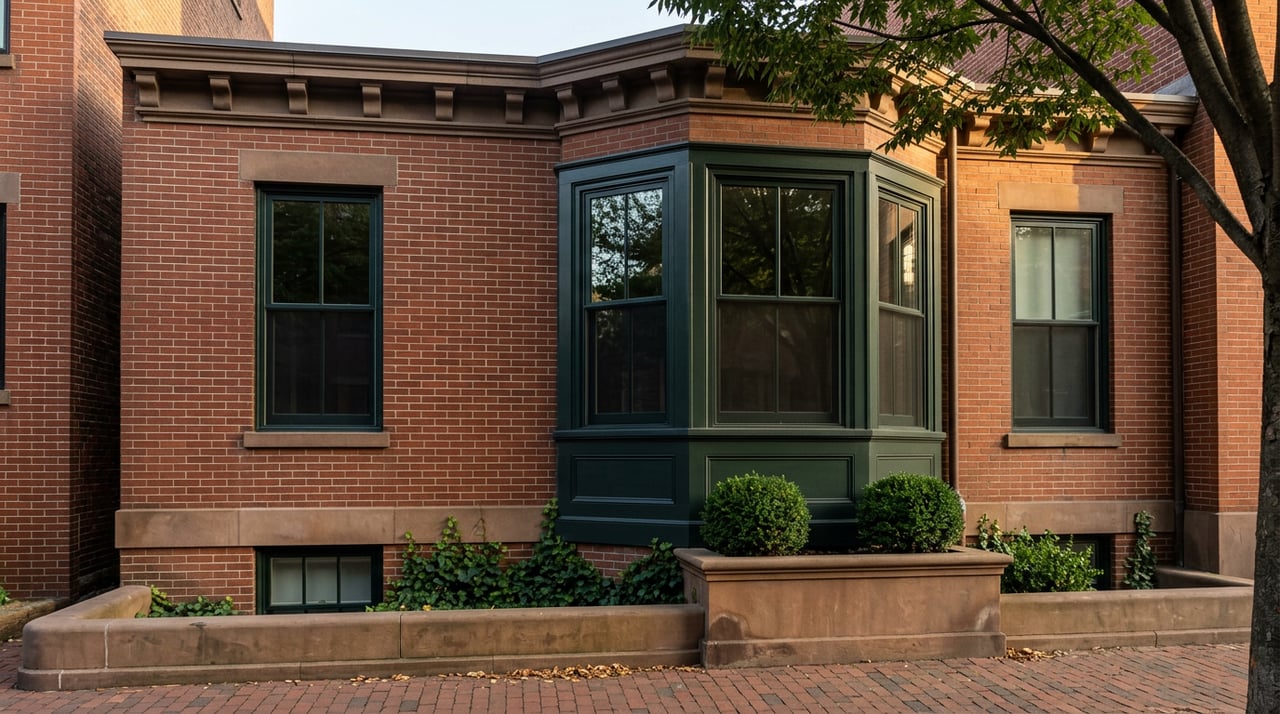
Back Bay and Commonwealth Avenue offer a mix of pre-war brownstones, classic co-op buildings, boutique condo conversions, and modern high-rise condos. Older stock features more traditional co-ops and brownstone cooperatives. Urban professionals and downsizers often value walkability, transit, and low maintenance. Some choose condos for financing flexibility and rental options. Others prefer co-ops for community stability and, at times, lower purchase prices for similar square footage. Strict board policies and high owner-occupancy can keep turnover low in certain buildings, which may lengthen your search.
Buyer checklist: fewer surprises, faster closings
Before you make an offer:
- Confirm whether the property is a condo or a co-op by reviewing listing, deed, or corporate documents. Use city records to verify legal status.
- Get preapproved with a lender that regularly finances Boston condos and co-ops.
- Ask the listing agent which documents are available now: budget, recent financials, bylaws, minutes, and any resale or board application requirements.
If you are considering a co-op:
- Gather your board package materials now: 2 years of tax returns and W-2s, 2 to 3 months of bank and brokerage statements, employer letter, proof of funds for the down payment, references, application forms, and fees.
- Ask about the building’s underlying mortgage, what the monthly maintenance includes, owner-occupancy and sublet percentages, any pending assessments, and recent capital projects.
- Confirm interview scheduling windows and any additional forms, such as recognition agreements or sublet policies.
If you are considering a condo:
- Request the resale certificate or estoppel, budget, reserve study if available, meeting minutes, and details on pending or recent assessments.
- If you need FHA or VA financing, verify whether the condo is on the approved list.
At closing and after:
- Clarify responsibility for tax prorations, utilities, and any move-in or move-out fees.
- Obtain the correct insurance policy and proof of coverage for the association or co-op.
- For co-ops, complete stock transfer and proprietary lease assignment forms, and ensure board certifications are in the file.
Which is right for you
Choose a condo if you want more flexible financing, fewer approval steps, and the option to rent with fewer hurdles. Choose a co-op if you value a more controlled building environment and the potential to trade purchase price for stricter policies and higher down payment expectations. Either way, focus on total monthly cost, building financials, and the rules that fit your lifestyle.
Ready to compare specific buildings? A calm, strategic process will save time and keep leverage on your side. If you would like tailored guidance on Boston condos and co-ops, schedule a strategy call with Rachel Lieberman.
FAQs
Financing differences: condo vs co-op in Boston
- Condos are generally easier to finance with standard mortgages. Co-ops use share loans and often require board approval, which can add steps and time.
Co-op board approvals and buyer denials
- Co-op boards review financials, references, and intended use and may decline buyers who do not meet standards. Condos typically do not conduct personal interviews.
Monthly costs: which is lower
- It depends. Co-op maintenance may be higher but can include taxes and heat. Condo fees may be lower, but you pay taxes and many utilities separately. Compare total monthly cost.
Rental rules in condos vs co-ops
- Many co-ops restrict or limit rentals. Many condos allow rentals subject to association rules. Always review the bylaws or proprietary lease before you buy.
Sources for further reading: Review the Massachusetts Condominium Act, M.G.L. c. 183A; the City of Boston Assessor’s Office; FHA condominium program details from HUD; and Fannie Mae’s general eligibility guidance.