Want more space without giving up access to Boston and the Route 128 corridor? If you are trading city bustle for a quieter suburban rhythm, Sudbury offers room to breathe with the convenience you still need. You want a clear picture of daily life, commutes, schools, and housing before you decide. This guide walks you through what living in Sudbury really looks like, with practical tips to plan your next move. Let’s dive in.
Where Sudbury fits in MetroWest
Sudbury sits in Middlesex County within the MetroWest region, west of the Route 128/I‑95 loop and northeast of the Mass Pike. It is a low‑density, primarily residential town known for larger lots and a calm neighborhood feel. Many residents commute into Boston, Cambridge, or Route 128, as well as nearby MetroWest job centers. The town pairs access to the region with a strong emphasis on open space and conservation.
Day‑to‑day life and local amenities
Sudbury Center anchors the town with municipal services, the library, and a small cluster of restaurants and shops. The historic Wayside Inn and nearby attractions add a sense of place that many residents appreciate. For bigger errands like supermarkets, larger retail, and some medical services, you will often drive to neighboring towns such as Framingham, Wayland, or Marlborough. Expect a car‑forward routine, quiet streets, and a community rhythm shaped by schools, youth sports, and seasonal town events.
Housing and lots: what to expect
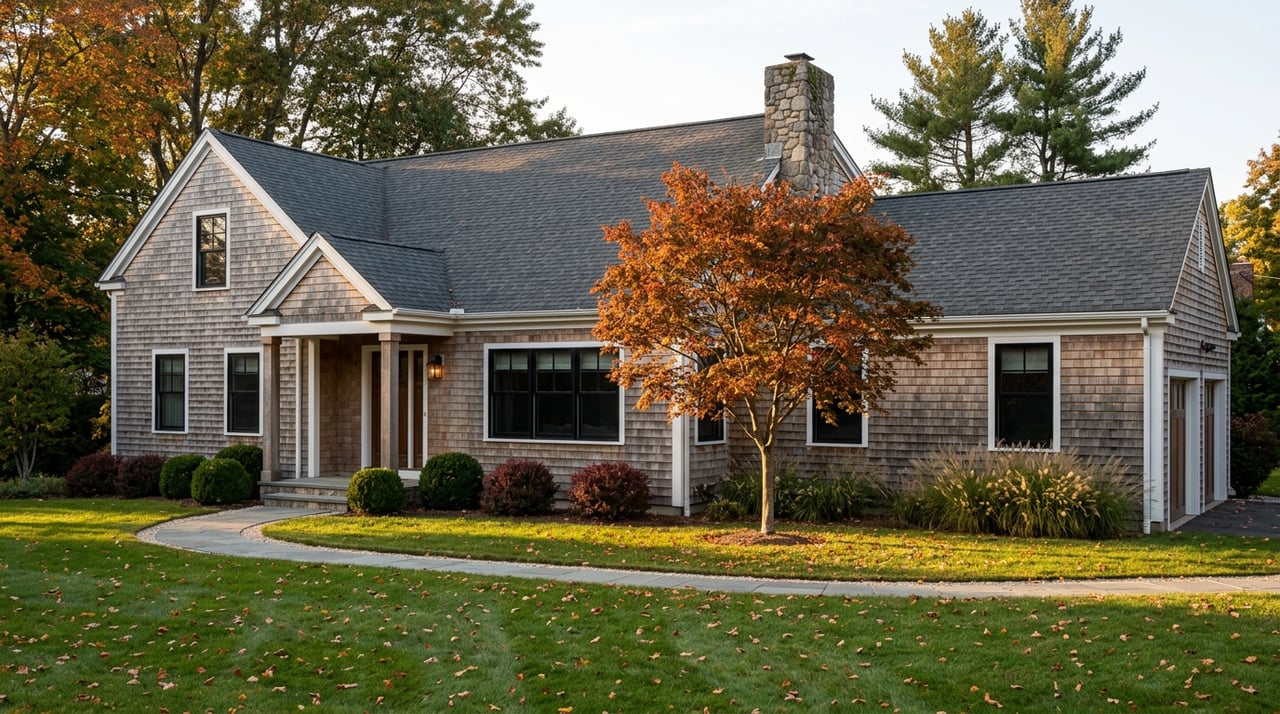
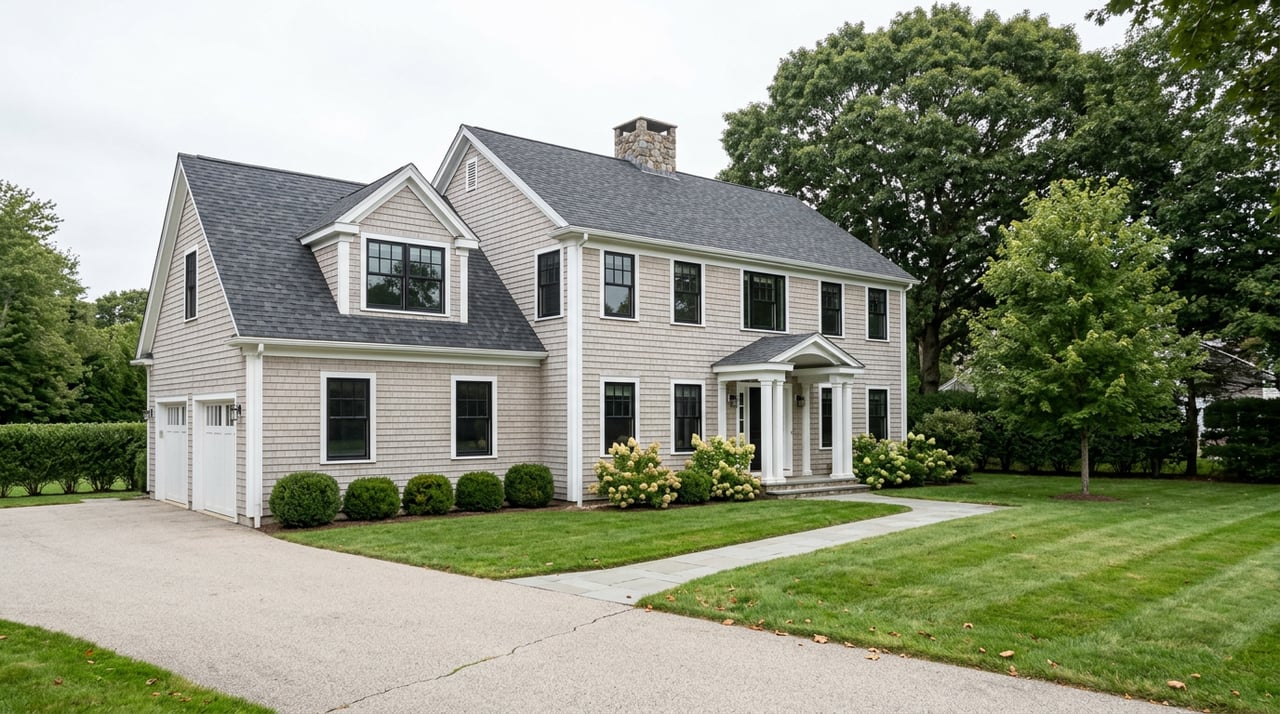
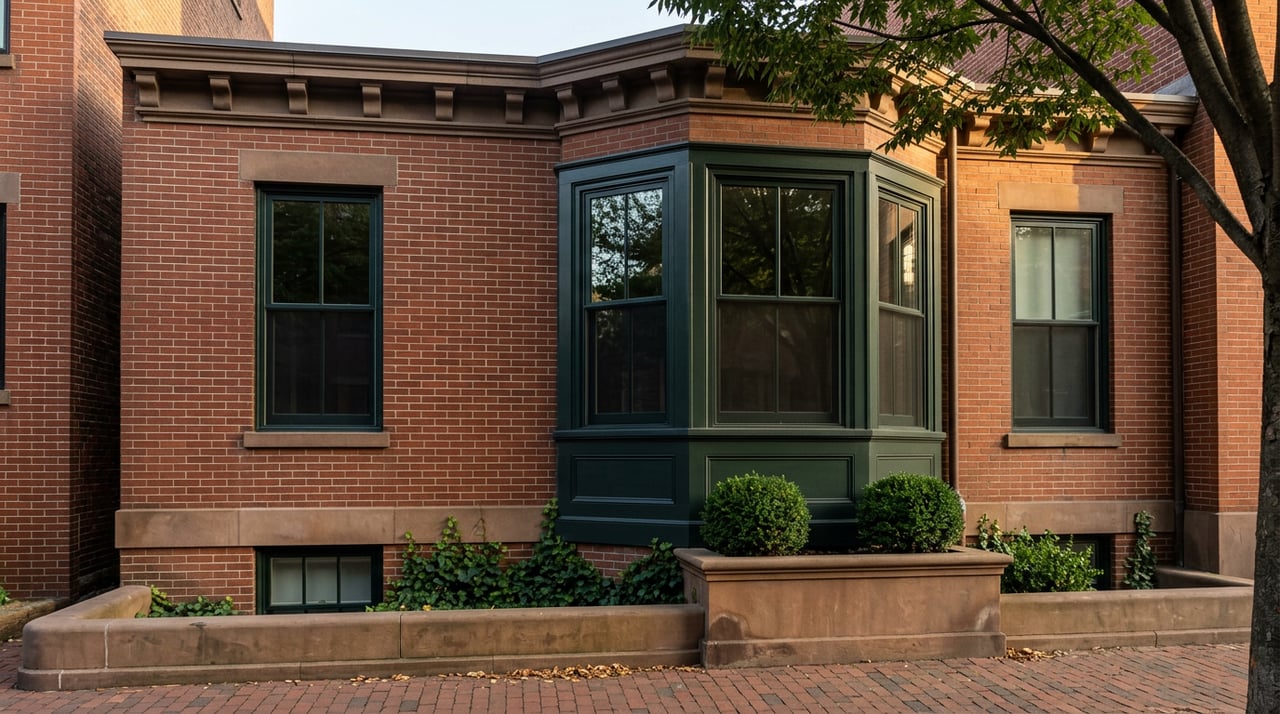
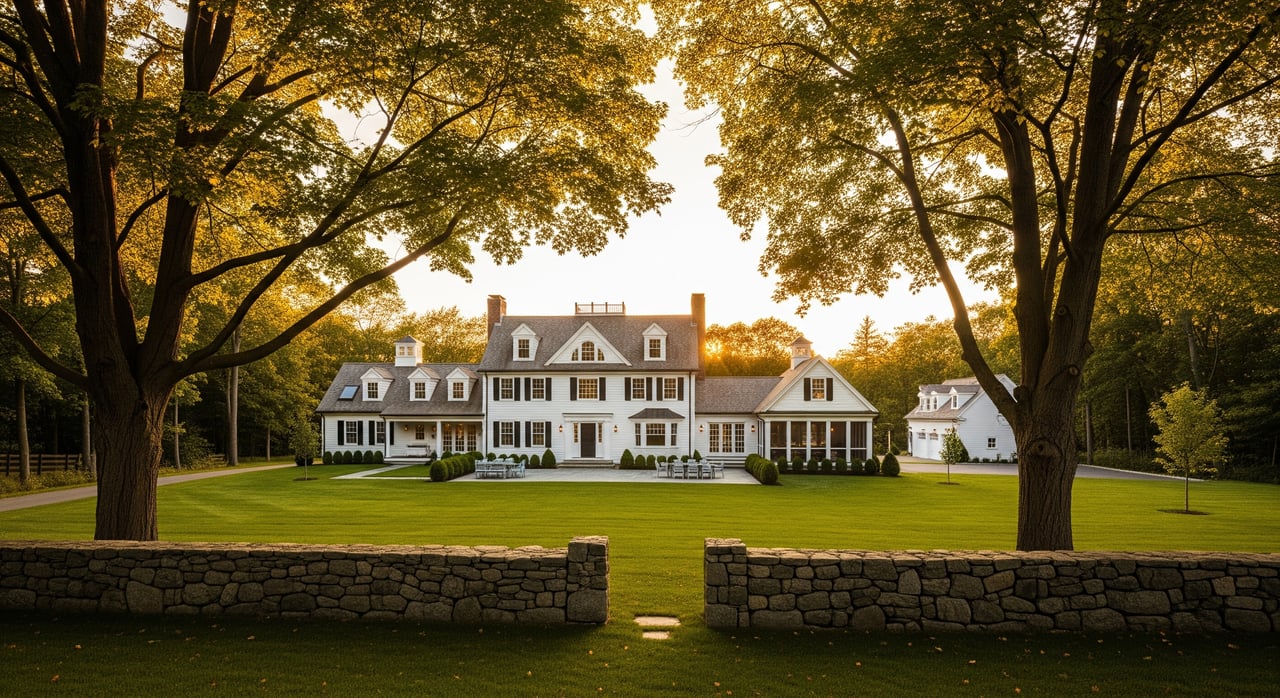
Sudbury’s housing stock leans toward detached single‑family homes, including Colonials, capes, ranches, and custom builds. You will also find historic homes near the town center and many mid‑ to late‑20th century subdivisions. Newer construction often appears as custom or infill on larger parcels. Compared with inner suburbs, lot sizes trend larger, from half‑acre to multiple acres in many neighborhoods, which creates a spacious feel.
Zoning and open‑space planning aim to preserve a rural‑suburban character, so there is limited higher‑density housing within town limits. Some properties support equestrian use or small‑scale agricultural activity. As you plan, factor in upkeep for bigger yards and, in some cases, wells or septic systems that vary by parcel.
Buyer checklist for Sudbury homes
- Confirm utilities for each property, including municipal water or private well and sewer or septic.
- Review recent property tax rates and assessments as part of your monthly budget.
- Assess age and condition of systems, insulation, and roofs in older homes.
- Understand any conservation restrictions or zoning rules that may affect future projects.
Commutes and getting around
Driving is the most common commute mode from Sudbury. Route 20 and Route 27/117 connect you to surrounding towns, with I‑95/Route 128 and the Mass Pike a short drive away. Peak traffic toward Boston and Route 128 can extend drive times, so many residents plan around flexible hours when possible. For public transit, you can park and ride at nearby commuter rail stations on the Fitchburg Line, such as South Acton, or on the Framingham/Worcester Line in the Framingham or Westborough area.
Commute planning tips
- Test your route during your typical rush hour, both inbound and homebound.
- Compare a direct drive with a drive‑to‑rail option to see which fits your schedule.
- If you split time between Boston, Cambridge, and 128 corridor offices, map each route.
- Budget extra time during winter or rainy weather when traffic can be slower.
Schools and education
Sudbury runs its own elementary and middle schools and is part of the Lincoln‑Sudbury Regional High School district for grades 9–12. The high school is known for strong academics, extracurriculars, and athletics. To evaluate current performance, program offerings, and class sizes, review Massachusetts DESE district and school profiles and attend school visits or info sessions. Families sometimes consider independent or parochial options in the broader MetroWest area based on specific needs and interests.
Practical school steps for buyers
- Verify current school boundaries and any lottery or waitlist processes for programs.
- Review DESE report cards for performance metrics and trends.
- Ask about extracurriculars, clubs, and athletics to match student interests.
- Understand special education services and contacts at the district level.
Conservation land and recreation
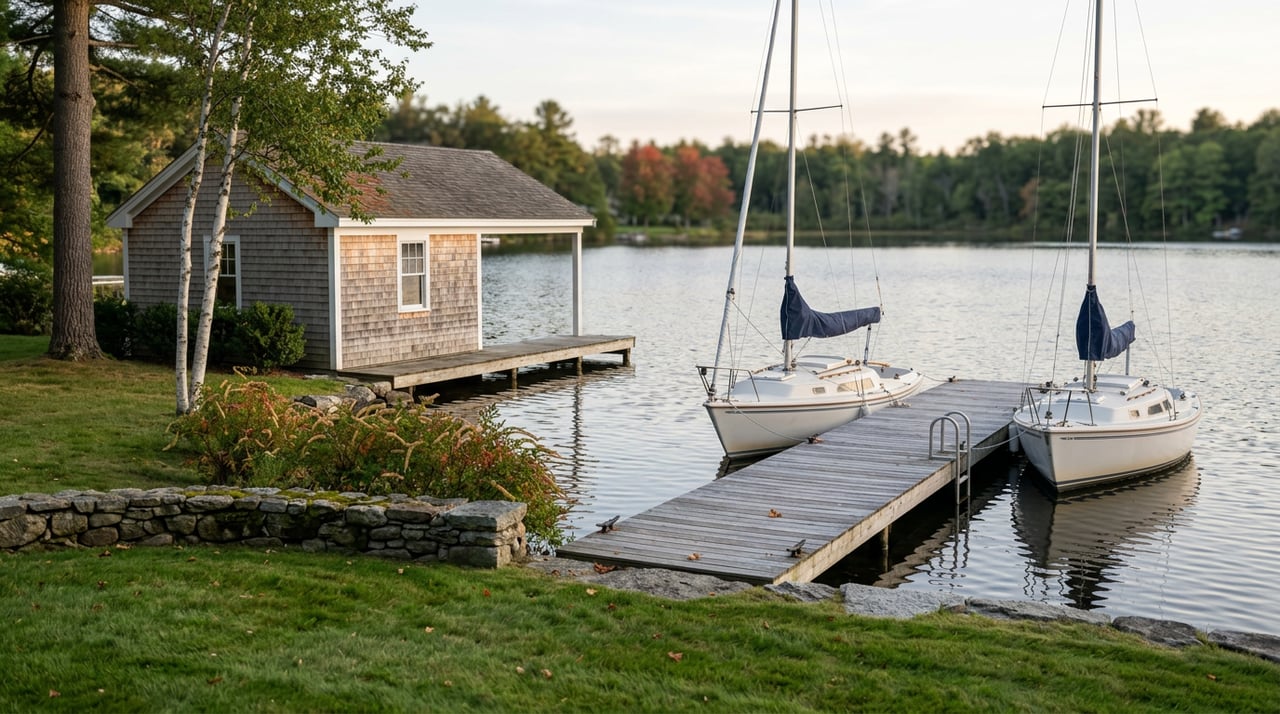
If you value outdoor access, Sudbury offers extensive conservation areas and trail networks managed by the town and regional land trusts. The landscape includes woodlands, river corridors, and wetlands within the Sudbury‑Assabet‑Concord watershed. Residents enjoy walking, hiking, birding, paddling in adjacent protected areas, and cross‑country skiing after snowfalls. The town’s parks and recreation department runs youth sports, adult programs, and maintains fields and playgrounds. For larger museums and cultural venues, you will often head to nearby communities or into Boston.
Is Sudbury a fit for you
Sudbury tends to appeal if you want more indoor and outdoor space, a calm neighborhood setting, and active community life centered on schools and recreation. It also works well if you commute by car or have flexibility in your schedule. If you need daily rapid transit at your doorstep or prioritize urban walkability for errands, the town’s car‑oriented layout may feel less convenient.
How to plan your move with confidence
A smooth transition starts with a clear plan and the right local guidance.
- Define your must‑haves: bedrooms, office space, yard size, and proximity to conservation or town services.
- Get pre‑approved so you can act quickly in a competitive single‑family market.
- Tour several neighborhoods and sample your commute during peak hours.
- Evaluate property infrastructure, including wells, septic systems, and energy updates.
- Outline a timeline for selling your current home and buying in Sudbury, including staging and marketing if you are also a seller.
When you are ready, work with a principal‑led advisor who knows both city and MetroWest markets. With buyer representation, seller marketing and staging coordination, and valuation tools, you will have the strategy and support to make smart decisions. If Sudbury is on your list, connect with Rachel Lieberman to map your next steps.
FAQs
Is Sudbury, MA a practical home base for Boston or Cambridge work?
- It can be if you are comfortable driving or doing a drive‑to‑rail commute; many residents work in Boston, Cambridge, or the Route 128 corridor and plan around peak traffic.
What types of homes and lot sizes are common in Sudbury?
- You will see many single‑family Colonials, capes, ranches, custom homes, and some historic properties, often on larger lots that range from about a half‑acre to multiple acres.
How are Sudbury public schools organized and how do I research them?
- Sudbury operates K–8 schools and shares Lincoln‑Sudbury Regional High School; review Massachusetts DESE profiles and visit schools to understand programs and current performance.
What are the main commuting options from Sudbury to Route 128 or downtown Boston?
- Most residents drive via Route 20 and Route 27/117 to reach I‑95/Route 128 or the Mass Pike, or they drive to nearby commuter rail stations on the Fitchburg or Framingham/Worcester Lines.
Does Sudbury offer walkable errands and town‑center living?
- The historic center is walkable for select errands, but most daily needs involve short drives to local plazas or nearby towns for larger retail and services.
What outdoor and recreation resources are available in Sudbury?
- The town features significant conservation land and trails for hiking and skiing, access to waterways in the SuAsCo watershed, and robust parks and recreation programs for all ages.