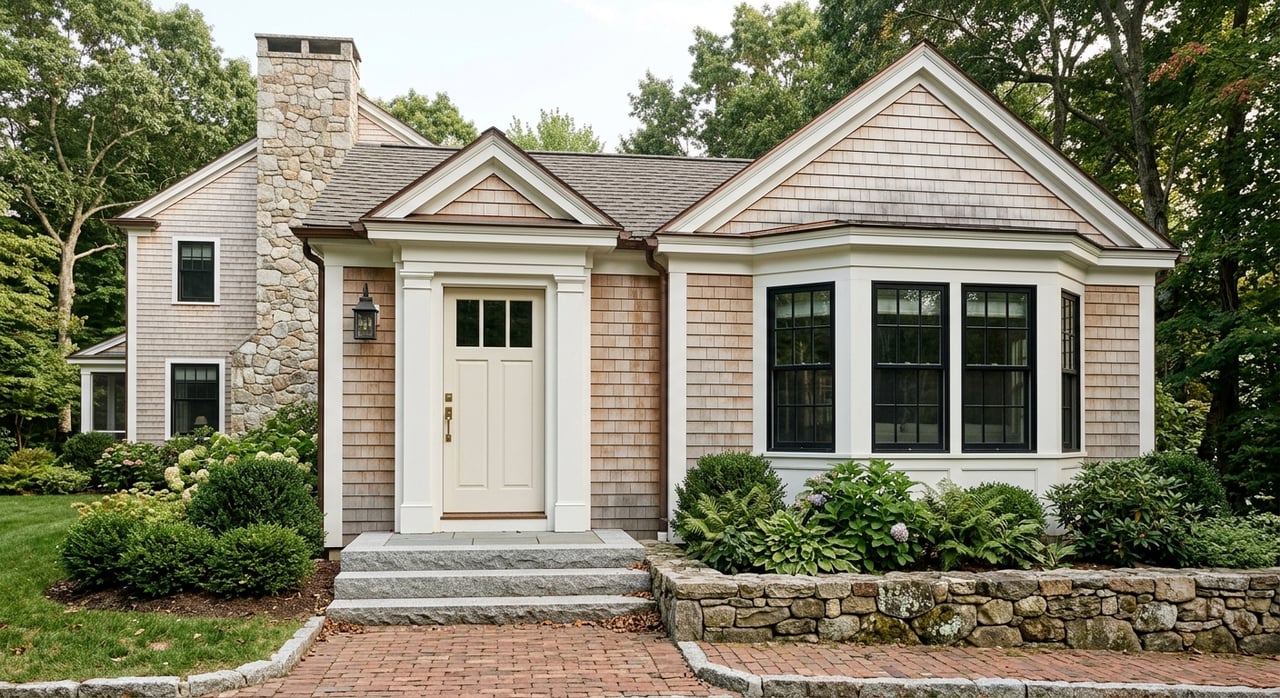
If you are trying to figure out where to live in Wellesley, one truth matters right away: not all Wellesley neighborhoods feel the same, and the neighborhood name alone rarely tells the full story. Some areas offer a more walkable, in-town lifestyle, while others are defined by larger lots, quieter streets, commuter access, or luxury pricing. This guide will help you compare Wellesley’s key neighborhoods, understand the home styles you are most likely to see, and spot the small location details that can shape value and daily life. Let’s dive in.
Wellesley at a glance
Wellesley is broadly known as a high-price suburban market with a range of housing options, from older in-town homes to estate-scale properties and newer custom builds. Townwide, Redfin lists Wellesley with a Walk Score of 37, which points to a generally car-dependent suburb overall.
That said, the feel of Wellesley changes a lot from one pocket to another. The town describes Wellesley Square as compact and pedestrian-oriented, while Wellesley Hills functions in a more vehicle-focused way because of heavier traffic corridors. Wellesley Fells sits somewhere in between, with a small compact shopping area and nearby homes within walking distance.
From a market standpoint, Wellesley remains highly competitive. The Massachusetts Association of Realtors reported a year-to-date median sale price of $1,975,000 for single-family homes in April 2026, along with 3.2 months of inventory and 102.5% of original list price received.
Why micro-location matters in Wellesley
In Wellesley, your exact street can matter just as much as the neighborhood name. That is partly because Wellesley Public Schools uses street-based elementary assignments, so one neighborhood can be split across several elementary districts.
That means two homes in the same named area may differ in school assignment, traffic pattern, commuter access, and proximity to the Square or train. Those details can affect both lifestyle and pricing.
Days on market also vary by pocket. Recent reports showed roughly 14 days in Wellesley Hills, about 45 days in Wellesley Farms, around 17 days in the Fells, and about 80 days in Cliff Estates. If you are buying or selling, it is smart to compare by street and micro-location, not just by broad neighborhood label.
Wellesley Square and Dana Hall
Best for in-town living
If you want the strongest walk-to-town lifestyle in Wellesley, this is the area to study first. The town describes Wellesley Square as compact and pedestrian-oriented, with a walk from one end to the other taking no longer than 20 minutes.
You are most likely to find easier access here to shops, services, and commuter rail compared with many other parts of town. For buyers who want less driving in daily life, this part of Wellesley often stands out.
Common home styles
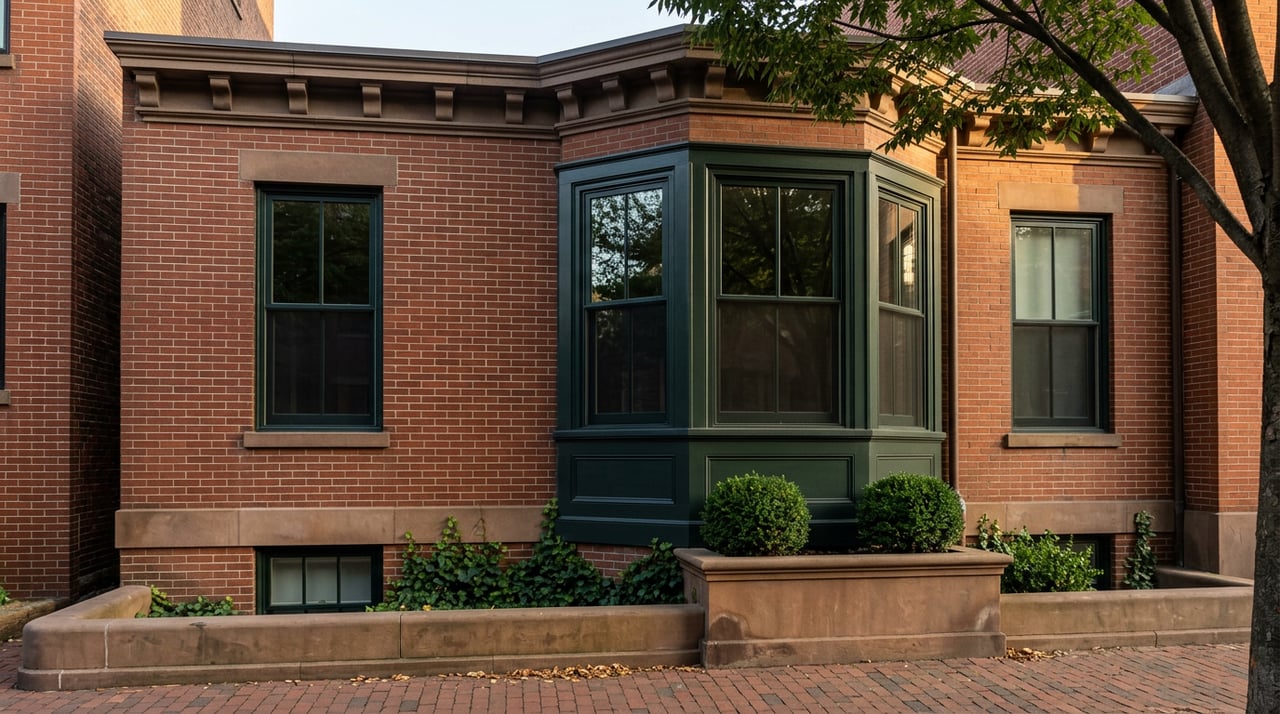
This area offers one of the broadest mixes of housing types in town. You will see older Colonials, brick homes, renovated single-family houses, and some condo inventory near the Square.
That mix can make the area appealing if you want location first and are open to different home formats. It can also create wider variation in pricing depending on the home type and exact street.
Typical price range
Recent neighborhood data placed Wellesley Square around the mid-$1 million range, with Dana Hall somewhat higher in some reports. Redfin showed March 2026 median sale prices at about $1.4 million in both Wellesley Square and Dana Hall, while Realtor.com placed Dana Hall higher.
Wellesley Hills
Best for classic in-town suburban living
Wellesley Hills tends to appeal to buyers who want a traditional suburban setting with some access to train service and town amenities. It is more walkable in pockets close to the rail stop and Brook Path, but overall it is more vehicle-oriented than Wellesley Square.
This is a good example of why exact address matters. Some streets feel more connected to daily amenities, while others live more like classic drive-to-everything suburbia.
Common home styles
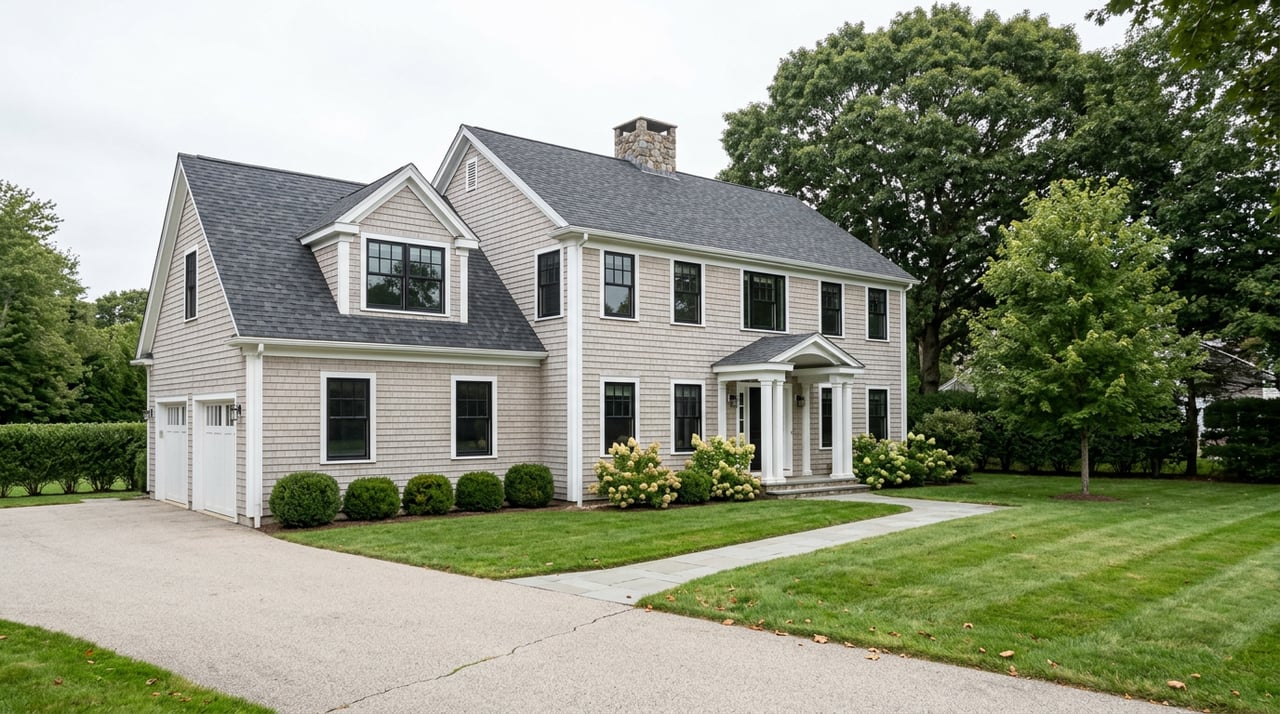
The housing stock here is largely made up of renovated Colonials, in-town Colonials, and some Capes. Listings in this area often describe classic Colonial layouts and expanded Cape designs, which fits the neighborhood’s older housing character.
If you like traditional architecture and established streetscapes, Wellesley Hills often checks that box. Updated interiors can vary significantly from home to home, so condition plays a big role in value.
Typical price range
Realtor.com’s April 2026 summary showed a median listing price of about $2.145 million and a median sold price of about $1.9525 million for Wellesley Hills. That places it firmly in Wellesley’s upper price bands, but often below the highest luxury enclaves.
Wellesley Farms
Best for commuter-friendly charm
Wellesley Farms is one of the stronger options for buyers who want a commuter-friendly neighborhood feel. Listings frequently mention walking distance or easy access to the Wellesley Farms commuter rail station, shops, restaurants, Warren Park, and walking trails.
That combination gives the area a strong everyday convenience factor. It can work well if you want train access and a more classic neighborhood setting with a range of lot sizes.
Common home styles
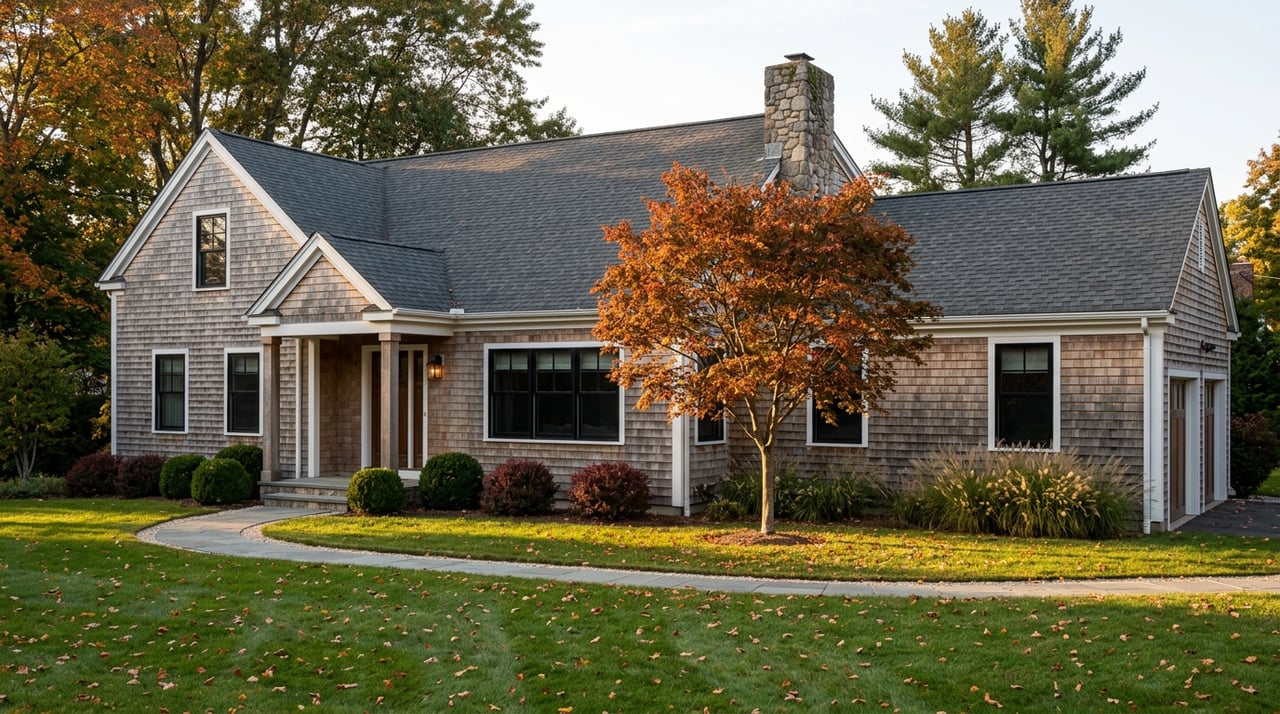
You will find a broad mix here, including 1920s Colonials, antique homes, brick Colonials, and new construction. That blend gives Wellesley Farms a layered housing stock where older character homes and newer builds can coexist on nearby streets.
For buyers, this often means more choice in architectural style and renovation level. For sellers, it also means pricing should be calibrated carefully against truly similar homes, not just the neighborhood average.
Typical price range
Recent neighborhood medians have clustered around $2 million. Redfin reported a March 2026 median sale price of $1.975 million, while other reports placed neighborhood home prices somewhat higher depending on the subset and timeframe.
Wellesley Fells
Best for wooded streets and relative value
If you are drawn to a more wooded setting and want to compare options that may come in below some of Wellesley’s top-priced pockets, Wellesley Fells deserves a close look. The area is linked to trail-lined open space, and the town describes its shopping node as pedestrian-scale with nearby homes in walking distance.
This area often feels less centered on a village core and more shaped by open space, neighborhood streets, and nearby amenities. That can be appealing if you want a quieter feel while staying connected to town.
Common home styles
The housing mix includes older Colonials, Gambrels, and newer custom homes. Recent listings in the area ranged from a 1937 Colonial to a Gambrel-style home to much newer custom construction.
That makes the Fells one of the more architecturally mixed pockets in Wellesley. You may find meaningful differences in lot, age, finish level, and layout from one block to the next.
Typical price range
Recent data showed a median sale price around $1.27 million, with other summaries closer to the mid-$1 million range. At the same time, newer construction and larger luxury homes can rise well into the multi-million-dollar bracket.
Cliff Estates and Poet’s Corner
Best for luxury and larger homes
If your search is focused on Wellesley’s luxury tier, Cliff Estates is the clearest benchmark. This area is known for larger homes, larger lots, custom construction, and heavily renovated properties.
Poet’s Corner shares some of the same Colonial-heavy character, though generally at a lower price point. In both areas, the value story is driven less by village-center walkability and more by lot size, street reputation, and renovation quality.
Common home styles
In Cliff Estates, expect stately brick Colonials, custom homes, and major renovations. The housing stock reads more formal and high-end, with pricing that reflects both scale and finish level.
Poet’s Corner tends to offer a similar traditional feel, often with Colonial architecture, but with a wider range of entry points. Buyers comparing these two areas should pay close attention to exact street, house size, and condition.
Typical price range
Recent reports placed Cliff Estates medians roughly in the $3.7 million to $4.6 million range. Poet’s Corner generally tracks below that level, though still within Wellesley’s premium market.
How school assignments affect your search
One of the biggest mistakes buyers make in Wellesley is assuming a neighborhood automatically maps to one elementary school. In reality, Wellesley Public Schools assigns by street, and many well-known neighborhoods are split across multiple elementary districts.
For example, parts of Wellesley Hills, Wellesley Farms, Wellesley Square, Dana Hall, the Fells, and Cliff Estates all cross multiple elementary assignment lines. The district also noted changes tied to the 2024 redistricting update.
If school assignment is important to your search, verify the exact address rather than relying on a listing summary or neighborhood shorthand. That small step can save you from making assumptions that do not hold up later.
Matching neighborhoods to your priorities
If you want walkability
Start with Wellesley Square and Dana Hall. Then look at the blocks closest to the Square or commuter rail stops in other neighborhoods.
If you want train access
Focus on Wellesley Farms and selected parts of Wellesley Hills. These pockets often offer the strongest commuter-oriented appeal.
If you want more privacy or wooded surroundings
Explore Wellesley Fells and compare it with Poet’s Corner. These areas can offer a quieter feel, though exact street still matters.
If you want luxury inventory
Put Cliff Estates high on your list. It is the most established high-end benchmark in town based on recent neighborhood pricing.
What buyers should watch closely
When you compare homes in Wellesley, try to look beyond broad labels and focus on details that shape daily life and resale value. In this market, small differences often matter a lot.
Key things to check include:
- Exact street location
- Distance to commuter rail or town center
- Traffic patterns on nearby roads
- Home style and renovation quality
- Lot size and setting
- Current school assignment by address
- How quickly similar homes have been selling in that pocket
A calm, street-level comparison usually tells you more than a headline median ever will.
If you are trying to narrow down the right Wellesley neighborhood, the best next step is to match your budget, commute, and housing preferences to the right micro-market. Rachel Lieberman offers buyer representation, seller marketing, home valuation guidance, and a principal-led approach designed to help you move with clarity and confidence.
FAQs
Which Wellesley neighborhood is most walkable for homebuyers?
- Wellesley Square and Dana Hall are the strongest options for walk-to-town living, with Wellesley Square described by the town as compact and pedestrian-oriented.
Which Wellesley neighborhood has the best commuter rail access?
- Wellesley Farms is one of the strongest commuter-oriented pockets, and selected parts of Wellesley Hills also offer good access to rail and town amenities.
What home styles are most common in Wellesley MA neighborhoods?
- Colonials are the most common style across many Wellesley neighborhoods, with Capes, Gambrels, antique homes, brick homes, condos in some in-town areas, and newer custom builds in select pockets.
Are Wellesley MA school assignments based on neighborhood names?
- No. Wellesley Public Schools uses street-based assignments, so the exact address matters more than the neighborhood name alone.
Which Wellesley neighborhood is known for luxury homes?
- Cliff Estates is the clearest luxury benchmark in Wellesley, with larger brick Colonials, custom homes, and recent median pricing well above many other town neighborhoods.