Trying to decide between a single-family home and a condo in Natick? You are not alone. Many buyers are weighing the same question because Natick offers very different lifestyles at very different price points, even within the same town. If you want a clearer way to compare cost, maintenance, location, and day-to-day fit, this guide will help you sort through the tradeoffs. Let’s dive in.
Natick price gap starts the conversation
In Natick, the price difference between single-family homes and condos is significant. Through March 2026, the year-to-date median sales price was $1.1 million for single-family homes and $536,500 for condos. That means a typical detached home is roughly double the price of a typical condo in the current market.
Supply is also tight in both segments. March 2026 inventory was 1.1 months for single-family homes and 1.2 months for condos. In practical terms, buyers in either category should expect competition and should be ready to evaluate options quickly.
Monthly cost is more than the purchase price
The sale price gets most of the attention, but your monthly carrying cost matters just as much. In Natick, the FY2026 residential tax rate is $12.17 per $1,000 of assessed value. A $1.0 million assessment would equal about $12,170 per year in property taxes before any local exemption.
That tax structure matters whether you buy a condo or a detached home. A lower purchase price can reduce the tax bill, but it is only one part of the math. You also need to think about insurance, maintenance, and, in the case of condos, association dues.
Condo costs include HOA dues
Condo buyers usually pay monthly HOA or condo dues in addition to the mortgage, taxes, and insurance. Those dues can range from a few hundred dollars per month to more than $1,000, depending on the property and what is included. That is why two condos with similar sale prices can feel very different once you calculate the full monthly cost.
It is important to ask what the fee covers. You will want to understand whether dues include exterior maintenance, common-area upkeep, parking, or parts of the master insurance policy. You should also ask whether there are special assessments and whether the association has healthy reserves.
Single-family costs shift maintenance to you
With a single-family home, you typically do not have monthly HOA dues in the same way. Instead, more of the upkeep budget stays in your hands. That can mean more freedom, but it also means you are directly responsible for more repairs, seasonal work, and long-term maintenance planning.
For some buyers, that is a plus. If you want more control over your property decisions, a detached home may feel more straightforward. For others, the predictability of condo dues may be easier to manage than handling every exterior issue on their own.
Natick condos require careful document review
In Massachusetts, condos are privately owned and governed by the master deed, bylaws, and Chapter 183A. The state also notes that it does not regulate condo associations. That makes document review especially important before you commit.
You will want to understand the rules that may affect your daily life and future plans. Those can include renovation limits, rental restrictions, parking rules, reserve funding, and possible future assessments. In a condo purchase, these details are not side issues. They are part of the property itself.
Lifestyle fit depends on where in Natick you buy
Natick is not one-note. A condo near downtown offers a different routine than a property near Route 9, and both feel different from a detached home in a more residential part of town. That is why the single-family versus condo question is also a location question.
Natick Center fits a walkable routine
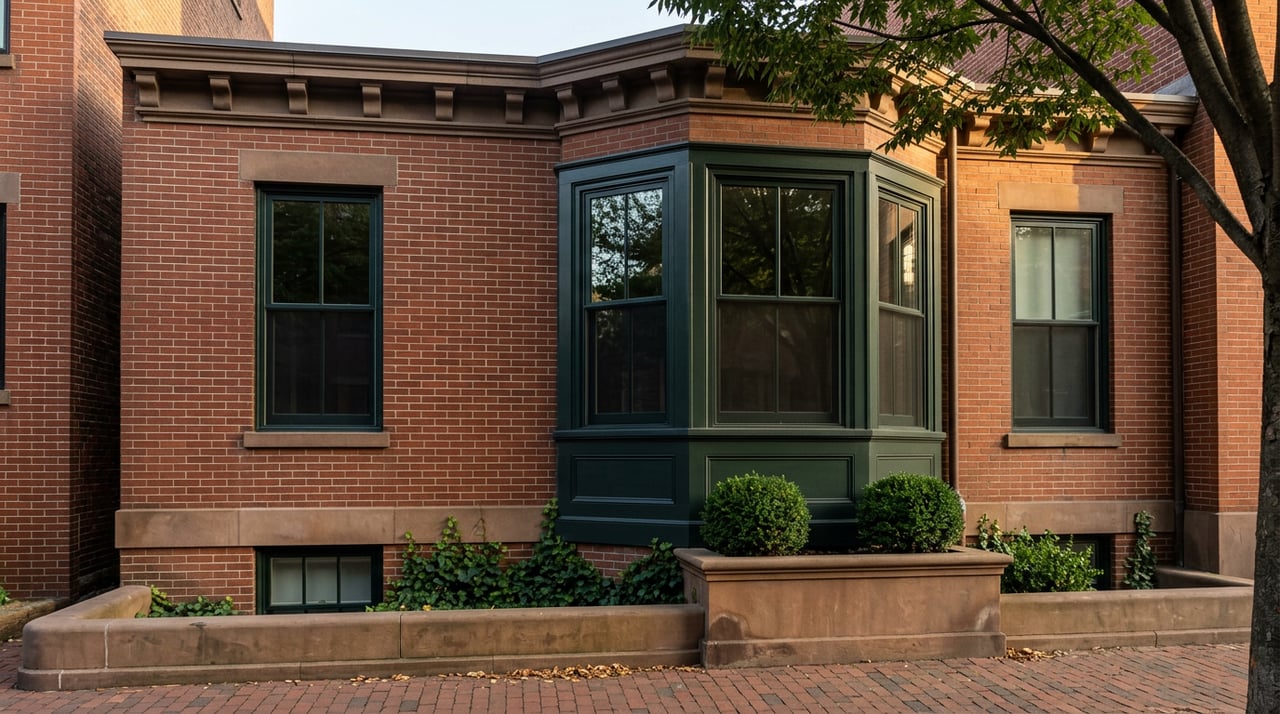
Natick Center is the town’s downtown mixed-use core. Town planning describes it as compact, centrally located, and walkable, with a mix of uses that support downtown destinations and transit access. The Natick Center Cultural District adds arts, restaurants, shops, events, and public art to that setting.
If you picture daily life with coffee shops, local events, and commuter rail access nearby, a condo in this area may line up well with your goals. Natick Center Station is on the MBTA Framingham/Worcester line, and the town says the station includes stair, elevator, and ramp access. For buyers who want a rail-oriented routine, that convenience can be a major factor.
Parking should also be part of your budget here. Downtown Natick includes metered and kiosk parking, permit parking, and commuter parking. The 2026 commuter lot permit for residents is $830 per year, which can matter if your routine depends on station-area parking.
Route 9 and Golden Triangle offer access
The Natick Mall and Shopper’s World area, often tied to the Golden Triangle, has a different appeal. This area is closely associated with shopping, dining, entertainment, and regional access. Town planning also points to this corridor as an important future mixed-use and higher-density growth area, with attention to pedestrian connections and mobility improvements.
If you want convenient access to retail, restaurants, and major roadways, a condo or townhome in this part of Natick may be worth a close look. At the same time, planning documents note traffic-capacity implications along Route 9. So the tradeoff here is often convenience and access versus a busier transportation environment.
Residential areas offer more autonomy
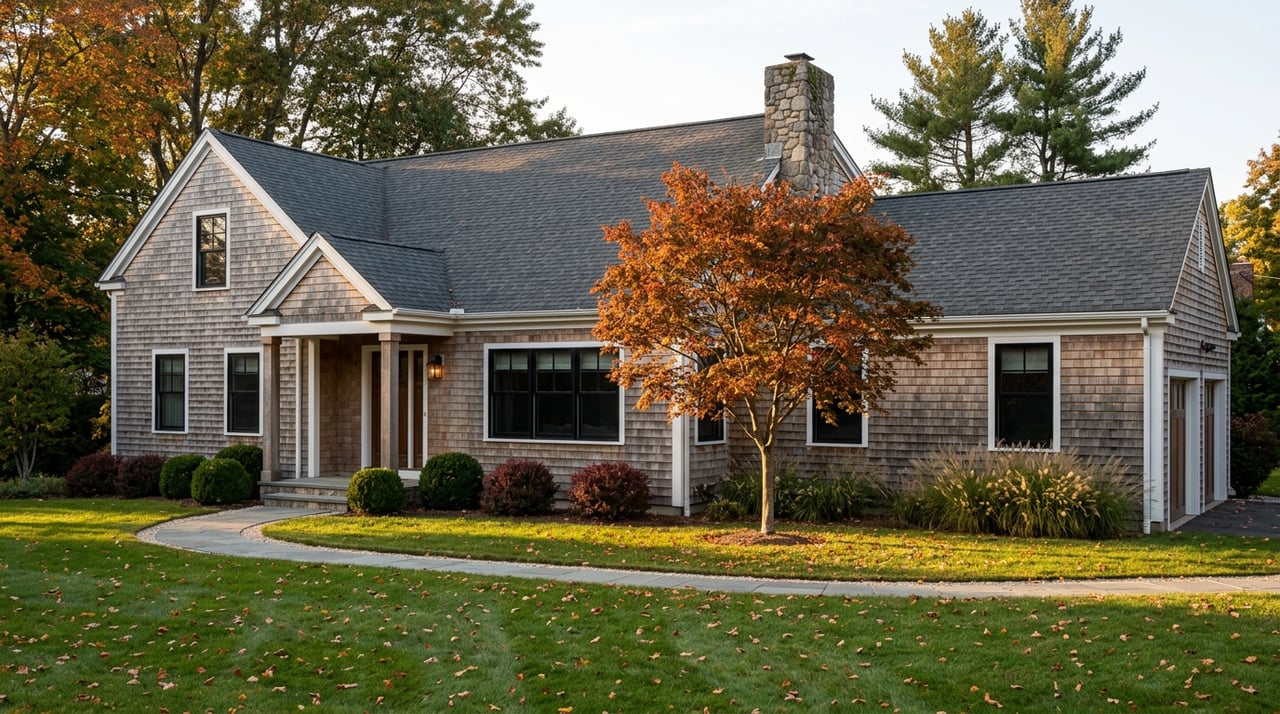
If your priority is a more traditional suburban setting, single-family neighborhoods may feel like the stronger fit. Natick has over half of its streets with sidewalks on at least one side, a 3.7-mile Cochituate Rail Trail connection, and more than 850 acres of public open space and parks. Those features can shape daily life in a meaningful way.
South Natick and areas along West Central Street also have historic districts, which preserve older neighborhood character. In those districts, exterior changes to historic properties require approval to remain compatible with the district. For some buyers, that context is part of the appeal. For others, it is an extra layer to understand before buying.
Which option fits your plans best?
There is no universal right answer in Natick. The better choice depends on how you want to live, what monthly cost feels comfortable, and how much responsibility you want to take on directly.
A condo may fit if you want:
- A lower entry price than a typical single-family home in Natick
- Less direct responsibility for exterior upkeep
- A walkable or transit-oriented lifestyle, especially near Natick Center
- Access to shopping, dining, and major roads near Route 9 or the Golden Triangle
- A homeownership option where shared maintenance is built into monthly dues
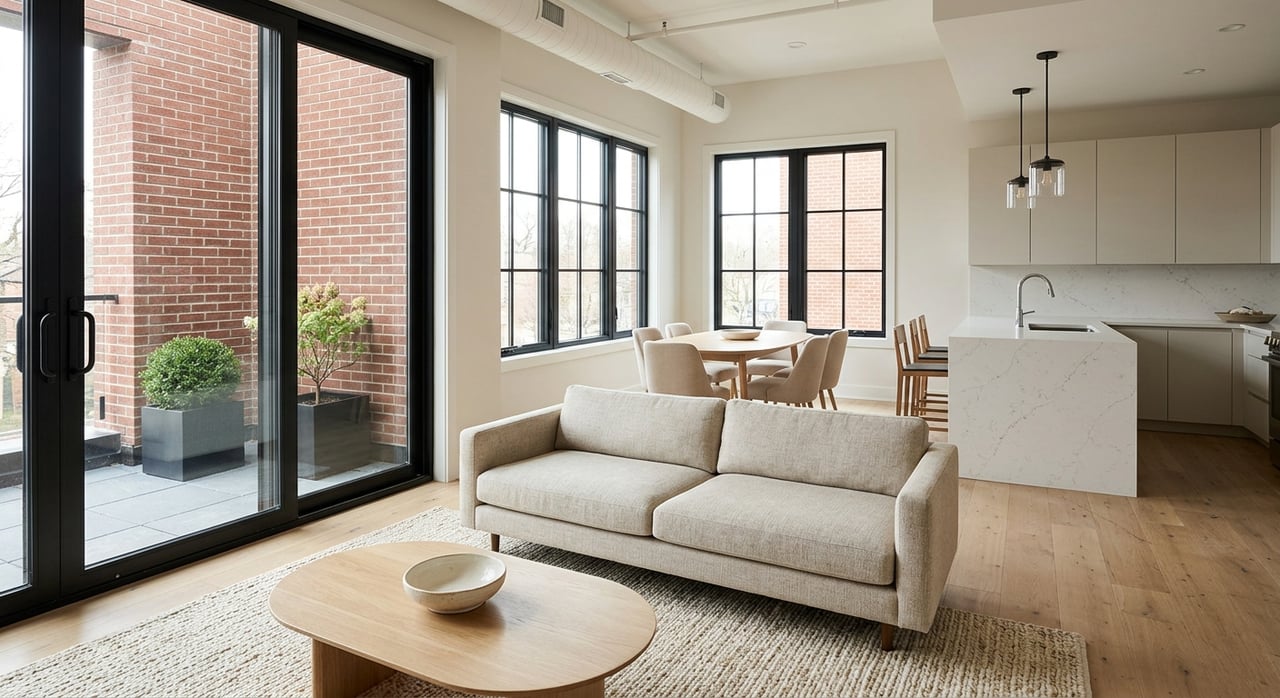
A condo can be especially appealing if you value convenience and want to keep your purchase price lower than the detached-home market. The key is making sure the monthly HOA cost, rules, and building finances make sense for your plans.
A single-family home may fit if you want:
- More space and privacy
- More control over the property
- Yard use and a more traditional suburban setup
- Fewer shared rules and association decisions
- Flexibility to manage maintenance on your own timeline
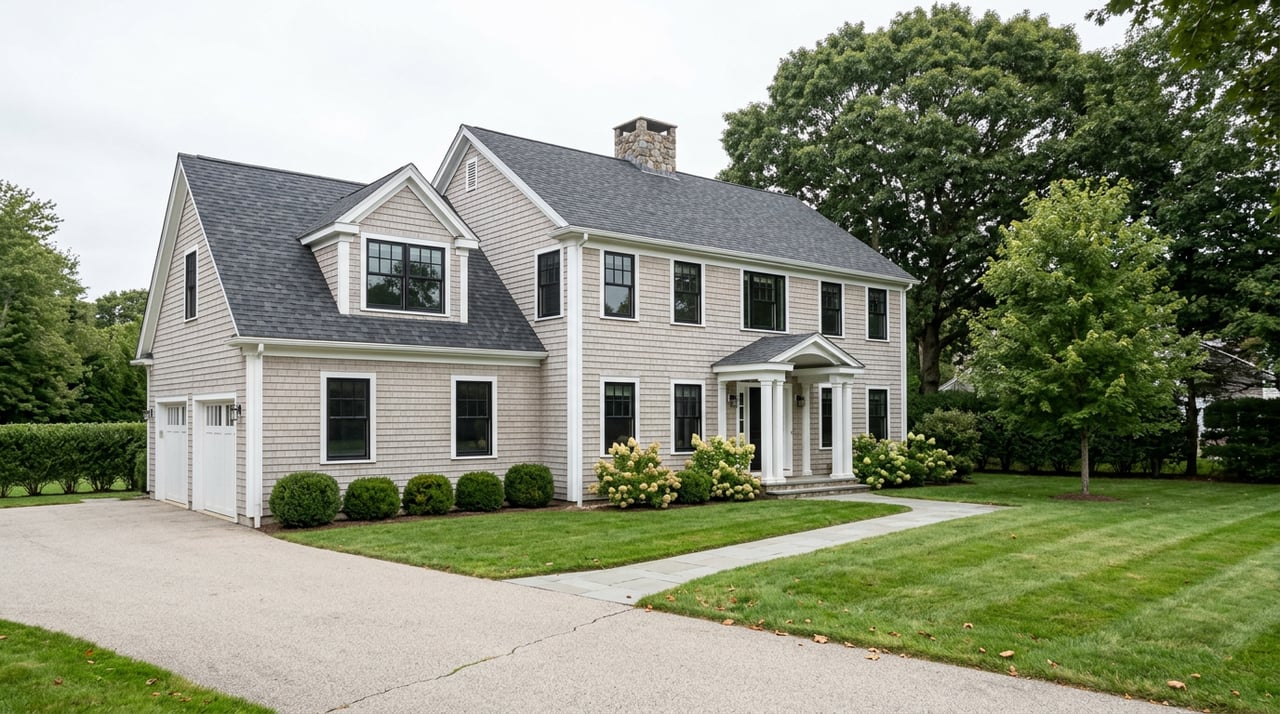
A detached home may make more sense if autonomy is high on your list and you are prepared for a higher purchase price and more direct upkeep. In Natick, that often aligns with buyers who are planning for a longer horizon and want the widest control over how they use and maintain the property.
Use a practical decision filter
If you are torn between the two, a simple decision filter can help. Start with your monthly comfort zone, then layer in your preferred routine and maintenance style. This usually brings the right answer into focus.
Ask yourself:
- Do you want the lowest possible entry point into Natick ownership?
- Would monthly HOA dues feel easier than managing exterior maintenance yourself?
- Is walkability or commuter rail access part of your daily plan?
- Do you want more privacy, yard space, or flexibility over the property?
- Are you comfortable reviewing condo documents closely and weighing reserve strength and assessments?
If most of your answers point to convenience, shared maintenance, and a lower upfront cost, a condo may be the better match. If they point to control, space, and long-term flexibility, a single-family home may be worth the higher investment.
Choosing between a Natick single-family home and a condo is really about matching the property type to your life, not just comparing listing prices. With the current gap between the two markets, the right choice often comes down to how you want to spend your money, your time, and your energy day to day.
If you want help sorting through Natick options with a calm, strategic lens, Rachel Lieberman can help you compare the numbers, the locations, and the tradeoffs so you can move forward with confidence.
FAQs
How much more expensive are single-family homes than condos in Natick?
- Through March 2026, the year-to-date median sales price in Natick was $1.1 million for single-family homes and $536,500 for condos.
What is the Natick residential tax rate for homeowners?
- Natick’s FY2026 residential tax rate is $12.17 per $1,000 of assessed value, so a $1.0 million assessment would equal about $12,170 per year before any local exemption.
What should condo buyers in Natick review before purchasing?
- You should review the condo master deed, bylaws, rules, reserve funding, possible special assessments, parking arrangements, rental limits, renovation restrictions, and what the monthly fee includes.
Which Natick area is best for a walkable condo lifestyle?
- Natick Center is the town’s mixed-use downtown core and is closely associated with walkability, local destinations, and commuter rail access.
Are both Natick condos and single-family homes in a competitive market?
- Yes. March 2026 inventory was 1.1 months for single-family homes and 1.2 months for condos, which reflects tight supply in both segments.