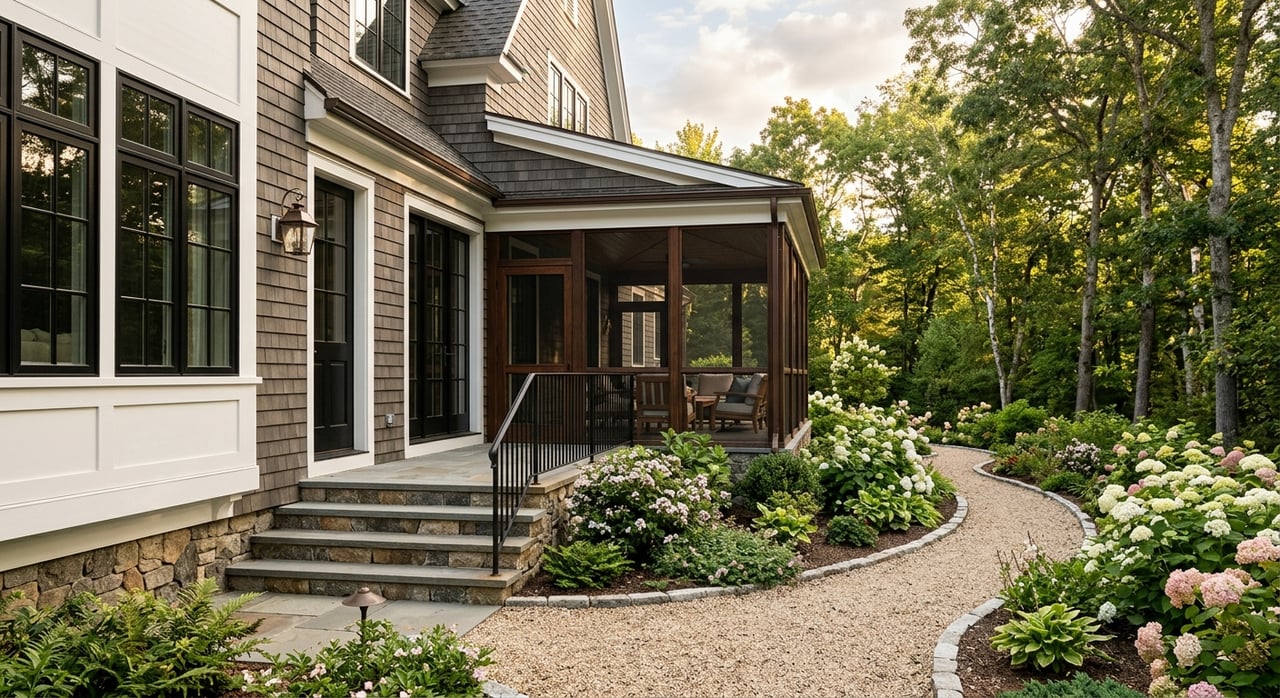
If you are thinking about a move to MetroWest, Wayland often comes up for one simple reason: it offers a quieter, more residential pace without losing access to the routines that shape daily life. You may be wondering what it actually feels like to live there beyond the listing photos and home prices. This guide walks you through Wayland’s schools, outdoor spaces, commuting patterns, and day-to-day lifestyle so you can decide whether it fits the way you want to live. Let’s dive in.
What Living In Wayland Feels Like
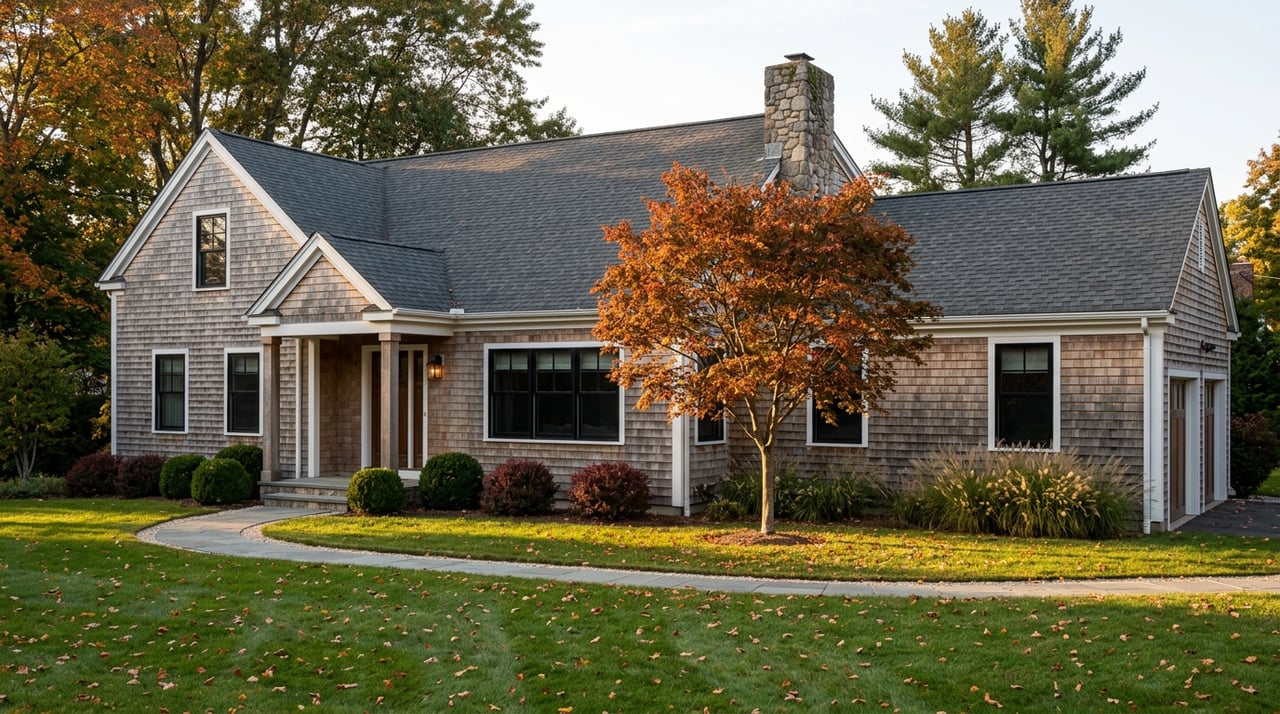
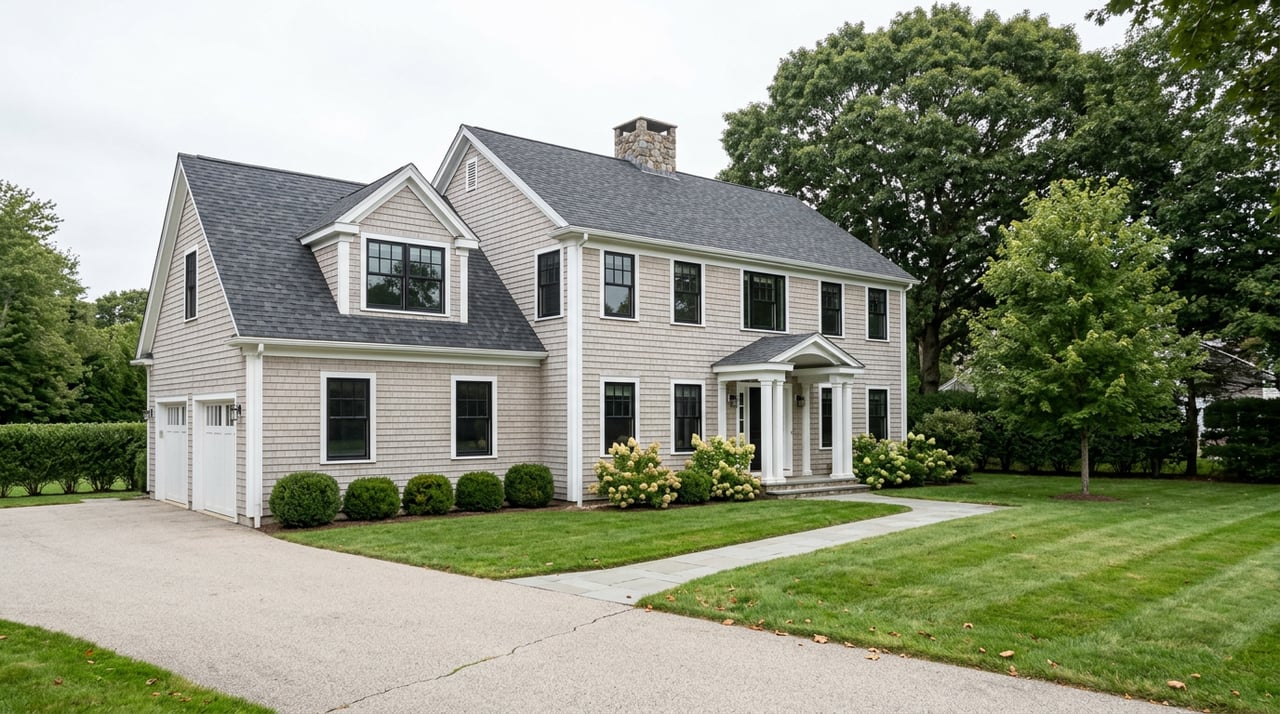
Wayland is a semi-rural suburb about 18 miles from Boston, with a 2024 population estimate of 14,054. The town describes itself as almost purely residential, and that character shows up in everyday life.
Instead of a dense urban center, you will find a town shaped by homes, civic spaces, conservation land, and water access. The Sudbury River corridor and Lake Cochituate play a big role in how Wayland looks and feels, giving the town a calm, open backdrop.
That residential focus tends to attract buyers who care about routines like school drop-offs, errands, recreation, and a more measured pace. If you want a place where daily life feels organized around home and community rather than a bustling downtown, Wayland fits that picture well.
Schools In Wayland MA
For many buyers, schools are one of the first things they look at when comparing MetroWest towns. In Wayland, the public school system is a central part of the town’s identity and daily rhythm.
Wayland Public Schools includes:
- Claypit Hill Elementary School
- Happy Hollow Elementary School
- Loker Elementary School
- Wayland Middle School
- Wayland High School
- The Children’s Way Preschool
The Children’s Way Preschool serves children ages 3 to 5 and is described by the district as an inclusive, play-based program. That matters if you are looking at the full school path, from early childhood through high school, within one district.
Another practical point is how clearly the system is organized. School registration, transportation, and extracurricular access are all managed through district resources, and the schools are located within the town rather than spread across a very large area.
For buyers, the big takeaway is not just the list of schools. It is that Wayland feels like a town where the public school network is part of the structure of everyday life.
Outdoor Life And Open Space
One of Wayland’s biggest strengths is how easy it is to build outdoor time into your week. The town says about 20% of its land area has been secured as open space, and the Conservation Commission oversees 19 major conservation areas.
That kind of access changes how a town feels. In Wayland, nature is not just something you drive to on the weekend. It is woven into the local landscape.
Sudbury River Setting
The Sudbury River runs through town for about ten miles, and the town describes the meadows and marshes along it as relatively unspoiled and rich in wildlife. This river corridor helps define the town’s semi-rural character.
For residents, that often means your free time can include simple routines like walking near the water, taking in open views, or spending time in quieter natural areas close to home. Cow Common is one example of a trail area that can bring you to the river.
Conservation Land Activities
Town rules for conservation lands allow a range of low-impact activities, including:
- Hiking
- Picnicking
- Snowshoeing
- Skiing
- Non-motorized canoeing
- Non-motorized boating
- Fishing
These areas are generally open from dawn to dusk. If your ideal suburb includes room to get outside without a long drive, Wayland offers that in a meaningful way.
Lake Cochituate Access
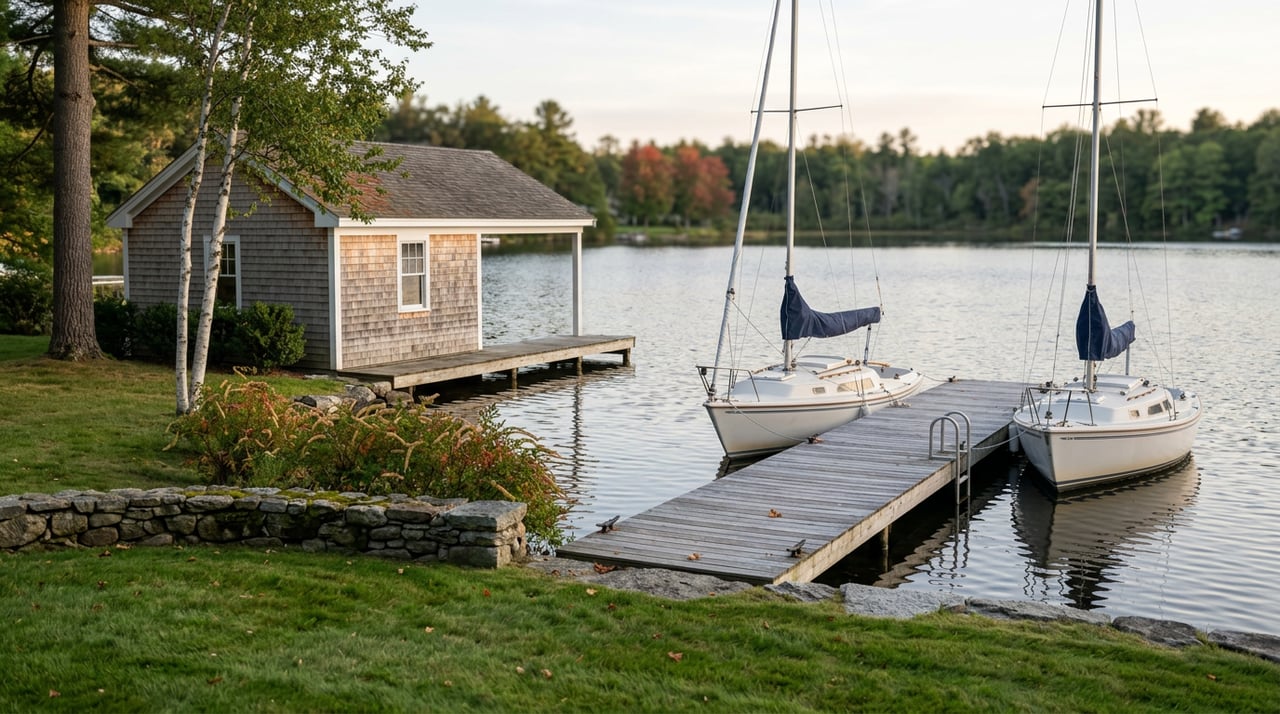
Lake Cochituate adds another layer to daily life in Wayland. The town offers access through the town beach, including swimming, boat rentals, and public access for non-motorized craft.
That gives you more variety than a town built only around trails or wooded land. Depending on the season, outdoor time can mean a trail walk one day and time by the water the next.
Everyday Amenities In Wayland
Wayland does have community amenities, but they are organized differently than in towns with a large retail downtown. The civic core is more municipal than urban, which is important to understand before you move.
The Free Public Library is located at 5 Concord Road. The new Council on Aging and Community Center opened in June 2025 and includes office space, a library, meeting rooms, and intergenerational programming.
These details matter because they show how town life is structured. In Wayland, everyday gathering spaces are often civic and community-based rather than centered around a dense shopping district.
The Town Center project was also rezoned as a mixed-use district with residential, commercial, and municipal space. That suggests continued investment in creating practical local amenities while keeping the town’s overall residential character intact.
Commuting And Getting Around
If you are considering Wayland, it helps to go in with the right expectations about transportation. Daily life here is mostly car-based.
The town’s transportation plan says that public transportation in and near Wayland is very limited, with few viable alternatives to private vehicles. That lines up with the town’s overall residential pattern and the way many residents organize work, school, and errands.
Wayland does have access to major roadways, including:
- Massachusetts Turnpike
- I-95/Route 128
- Route 20
- Route 27
- Route 126
- Route 30
Census QuickFacts lists the mean commute to work at 30.5 minutes. For many buyers, that makes Wayland a better fit if you are comfortable driving regularly and less ideal if your top priority is frequent rail access or a transit-first lifestyle.
Home Values And Price Point
Wayland’s median owner-occupied home value is $978,400, according to Census QuickFacts. That places it firmly in the higher-priced MetroWest market, but it still sits below some nearby towns that buyers often compare with it.
Price alone never tells the full story, but it does help frame expectations. In Wayland, you are generally paying for a combination of residential setting, open space, public school structure, and proximity to Boston without being in a more built-up environment.
How Wayland Compares Nearby
If you are narrowing down towns, it helps to understand where Wayland sits relative to nearby options. It often lands in a middle ground that appeals to buyers who want balance.
| Town | General Feel | Median Owner-Occupied Home Value |
|---|---|---|
| Wayland | Residential, school-centered, outdoor-oriented | $978,400 |
| Wellesley | Larger, more village-center and transit-oriented | $1,582,700 |
| Weston | Smaller, civic-centered, higher-priced | $1,694,400 |
| Sudbury | Larger, more retail-oriented at the center | $939,400 |
Wayland Vs. Wellesley
Wellesley is larger and more oriented around village centers and commuter rail access. It also has a notably higher median owner-occupied home value than Wayland.
If you want a more active town-center feel and stronger transit connections, Wellesley may appeal to you more. If you prefer a quieter residential setting with less emphasis on a village-style downtown, Wayland may feel like a better fit.
Wayland Vs. Weston
Weston is smaller and more expensive than Wayland, with a civic identity centered around its town green and village common. Buyers often compare the two because both offer a suburban setting and strong local identity.
Wayland can appeal to buyers who want a similar sense of residential calm but at a lower median home value. It also offers a distinct blend of school-centered routines and conservation access.
Wayland Vs. Sudbury
Sudbury is larger and has a more retail-oriented center, including a 75,000-square-foot village retail center anchored by Whole Foods. Its median owner-occupied home value is slightly below Wayland’s.
If your ideal town includes more retail activity close to the center, Sudbury may stand out. If you are drawn to a more compact, civic-and-nature-focused atmosphere, Wayland may feel more aligned with your goals.
Who Wayland Fits Best
Wayland tends to be a strong match for buyers who prioritize public schools, conservation land, and a primarily residential setting. It is especially appealing if you want your daily life to revolve around home, community resources, and outdoor access.
It can be a less natural fit if you are hoping for a walkable downtown with a large dining and shopping scene or frequent rail service. In that sense, Wayland is best understood as a town that rewards buyers who value calm, space, and structure over bustle.
Final Thoughts On Living In Wayland MA
Wayland offers a very specific kind of MetroWest lifestyle. You get a school-centered community, extensive open space, access to the Sudbury River and Lake Cochituate, and a day-to-day rhythm that feels residential and grounded.
For the right buyer, that combination is exactly the point. If you are weighing Wayland against nearby towns and want clear, local guidance on how the market and lifestyle compare, Rachel Lieberman can help you think through the options with a calm, strategic approach.
FAQs
What is daily life like in Wayland, MA?
- Wayland feels primarily residential, with daily life often centered around home routines, schools, errands, civic amenities, and outdoor recreation rather than a dense downtown scene.
What public schools are in Wayland, MA?
- Wayland Public Schools includes Claypit Hill, Happy Hollow, and Loker elementary schools, Wayland Middle School, Wayland High School, and The Children’s Way Preschool.
Does Wayland, MA have good outdoor access?
- Wayland has extensive outdoor access, including 19 major conservation areas, about 20% protected open space, the Sudbury River corridor, and Lake Cochituate access for swimming and non-motorized boating.
Is Wayland, MA commuter-friendly?
- Wayland offers access to major roads like the Mass Pike, I-95/Route 128, and Routes 20, 27, 126, and 30, but public transportation is limited and most daily travel is car-based.
How expensive is Wayland, MA compared with nearby towns?
- Wayland’s median owner-occupied home value is $978,400, which is below Wellesley and Weston and slightly above Sudbury based on the research provided.
Who should consider moving to Wayland, MA?
- Wayland is often a strong fit for buyers who want a quiet, school-centered suburb with meaningful access to nature and who are comfortable with a driving-first lifestyle.