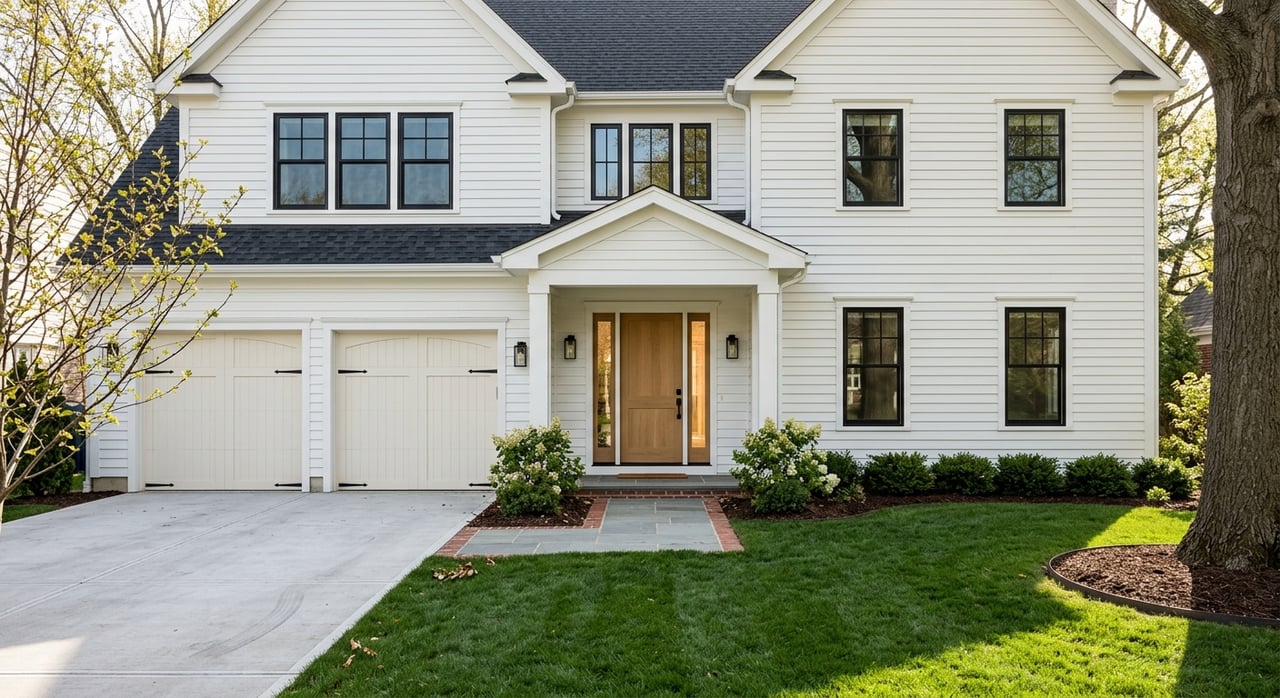
If you are thinking about buying or building new construction in Newton, it helps to know that “new” does not always mean a brand-new subdivision with easy timelines. In Newton, many new homes are actually replacement houses on existing lots, and that creates a very specific mix of zoning, review, design, and pricing considerations. When you understand how the process works, you can ask better questions, avoid costly surprises, and make a smarter decision. Let’s dive in.
Newton New Construction Looks Different
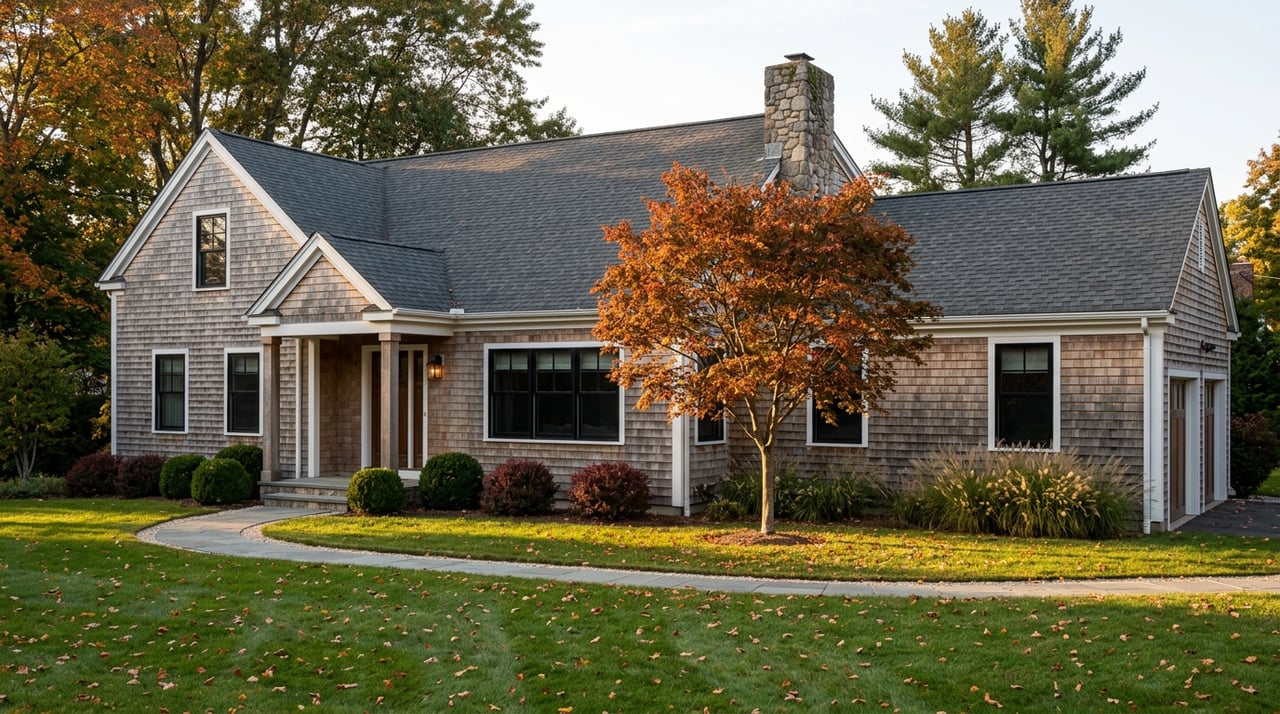
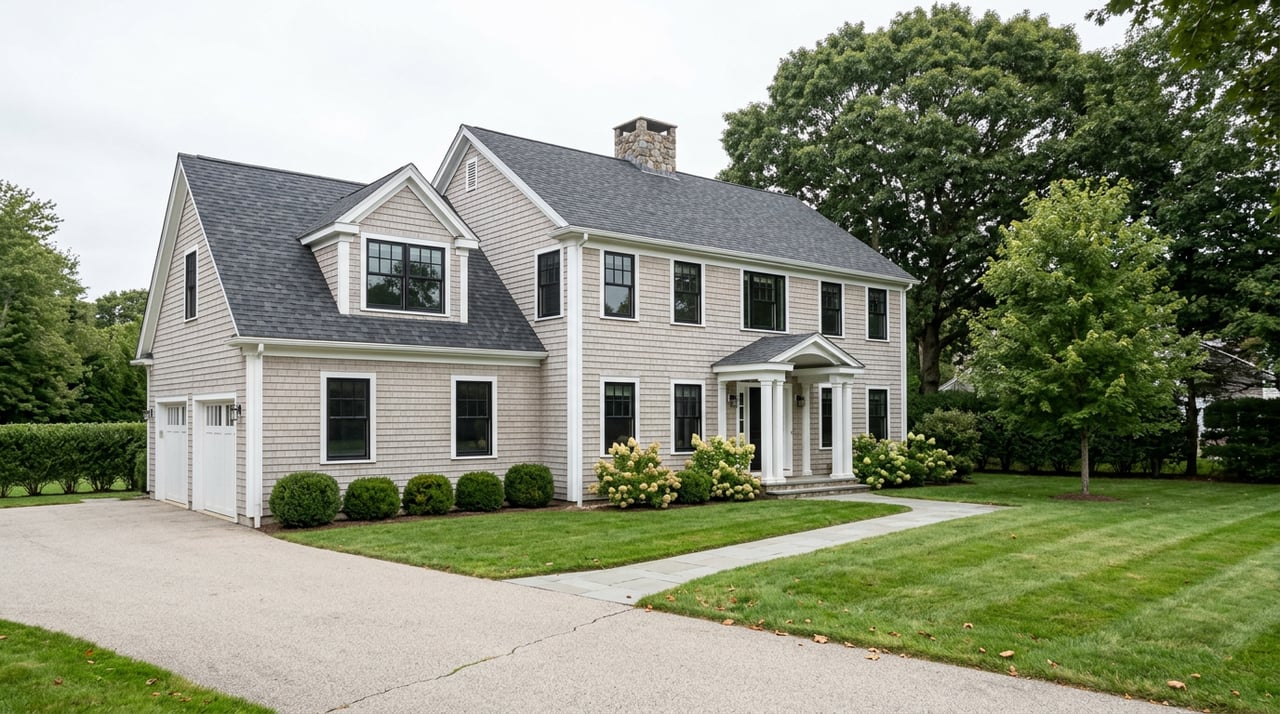
Newton’s new-construction market is shaped by limited land and strict local rules. According to the city’s planning materials, many high-end new homes in Newton are replacement homes built on existing lots rather than large-scale subdivision developments. The city also notes that current rules can encourage larger single-family builds, which helps explain why many new listings feel custom and high priced rather than entry level.
That smaller pipeline is reflected in city permit data. Newton’s FY2024 official statement reported 56 residential new-construction permits valued at $56.0 million, down from 98 permits valued at $162.5 million in FY2023. In other words, inventory exists, but it is relatively limited and often expensive.
Why Newton Zoning Matters So Much
In Newton, zoning has a major effect on what can actually be built on a lot. Lot area, setbacks, height, floor area ratio, lot coverage, and open-space rules all shape the final home size and layout. In residential districts such as SR1, SR2, and SR3, minimum lot sizes and setback requirements can be substantial, which means not every lot can support the same design.
If you are evaluating a teardown, lot purchase, or pre-construction opportunity, you should not assume a builder can do whatever fits the budget. Newton’s zoning controls for residential districts set the framework for what is possible by right and what may need additional review or relief.
The Facade Rule Can Change Design
A newer rule adds another layer. Newton’s Residential Façade Build-Out Ratio caps the width of the front elevation at 60% of lot frontage for many detached single-family and two-family homes, with certain exemptions and a possible special permit path above the cap. This rule took effect on March 1, 2026.
Why does that matter to you as a buyer? The city’s planning materials explain that complying with the façade ratio can push projects toward narrower footprints, side-facing layouts, or different garage configurations. That can affect curb appeal, interior flow, usable square footage, and construction cost.
Historic Review Can Slow a Project
One of the biggest Newton-specific issues is historic review. If a property is more than 50 years old, exterior changes may be subject to review, and demolition or partial demolition can trigger a delay if the building is found historically significant and preferably preserved. Newton also has four local historic districts with separate review standards.
That means a teardown is not always as simple as it looks. Before you get attached to a timeline, it is worth understanding the city’s historic preservation process and whether the existing structure could create an extra layer of approvals.
Site Plans and Engineering Reviews Are Detailed
Newton requires detailed site-plan submissions for new homes. Plans must include lot dimensions, setbacks, footprint dimensions, contours, drainage, elevations, open-space calculations, lot-coverage calculations, driveway openings, easements, frontage calculations, and surveyor stamps. That level of detail tells you something important: approvals are not casual.
The city’s site-plan requirements and engineering review process also cover drainage, utility connections, retaining walls, curb cuts, and grade changes. If a project connects to the city drainage system, Newton requires CCTV inspection before approval and again after completion.
For buyers, this is a reminder to look beyond finishes. Grading, drainage, driveway design, and site work can affect daily livability and future maintenance just as much as countertops or lighting selections.
Expect a Multi-Step Timeline
A realistic Newton new-construction timeline often includes zoning verification, survey and site-plan preparation, possible historic review, engineering review, permit issuance, demolition if needed, and then a long series of inspections during construction. This is not a fixed timeline under one simple rule. It is a practical reality based on the city’s process, and redesigns or historic issues can add months.
That is especially important if you are planning around a lease end, school-year move, rate-lock timing, or a concurrent sale. In Newton, new construction can be an excellent option, but it usually works best when you build flexibility into your plan.
Inspections Happen in Stages
Newton’s inspection process is detailed. According to the city, building inspections and permit closeout requirements include staged reviews during construction and a final inspection for every permit. Rough inspections require the building to be weather-tight, with roof, windows, doors, and most siding in place, along with rough mechanical, electrical, plumbing, gas, and firestopping work complete.
Final sign-offs may also involve other departments, including Engineering, Planning, Conservation, Historic, and Health. The city also advises owners not to pay a contractor in full until final inspection is complete and the permit is closed.
City Sign-Off Is Not the Same as Buyer Due Diligence
A common mistake is assuming that a municipal sign-off means there is nothing left to evaluate. It does not. City inspections confirm compliance with permit and code requirements, but they are not a substitute for your own due diligence as a buyer.
Massachusetts now protects residential home-inspection rights. As explained by the state’s home inspection rules, sellers generally cannot condition a sale on waiving inspection rights. There is a limited exception for certain pre-completion sales of newly constructed homes when construction is not substantially complete and the seller offers at least a one-year written warranty covering systems and structural integrity.
For you, the practical takeaway is simple: even with new construction, you still want to verify workmanship, finishes, grading, drainage, and documentation before closing. A private inspection and a careful document review can help you understand what was built, what was approved, and what warranty coverage applies.
New Construction Carries a Premium in Newton
Newton is already a high-price market. Redfin’s March 2026 housing market data shows a median sale price of $1.45 million, median days on market of 24, and 31.4% of homes selling above list price. New construction typically sits above comparable resale pricing because the buyer is paying for land value, teardown costs, code compliance, and customization.
Newton’s planning materials also note that larger replacement homes can raise the purchase cost of a single-family home. Add in modern energy and construction standards, and it becomes clear why the premium can be meaningful.
All-Electric Is the New Default
In Newton, new construction and major renovations now move in an all-electric direction under the city’s fossil-fuel-free ordinance and related energy-code framework. The city’s energy code guidance is helpful if you want to understand the broader compliance environment.
For buyers, this can affect equipment choices, operating expectations, and upgrade decisions. It is worth asking specific questions about HVAC systems, hot water, insulation, and efficiency features instead of focusing only on visual design.
What To Look For in a Smart Purchase
When you tour a new-construction home in Newton, the best questions are often the less glamorous ones. The right home is not just attractive. It should also make sense for the lot, the street frontage, and the broader pattern of nearby homes.
Because Newton’s zoning and facade rules are designed to control massing and scale, a home that fits its site well may hold up better over time than one that simply chases the biggest possible footprint. Durable finishes, a practical layout, strong workmanship, and a documented permit history usually matter more than flashy upgrades that age quickly.
Here are a few smart items to review before you move forward:
- Permit history and final sign-offs
- Site plan, drainage approach, and grading
- Builder warranty terms and claim procedures
- Layout efficiency and room flow
- Material quality in high-use areas
- Whether the home’s design fits the lot and frontage
- Any open items still pending before closing
Understand the Warranty Before You Close
Many newly built homes come with a builder warranty, but you should read the details carefully. The FTC’s guidance on new-home warranties explains that common coverage patterns are about one year for workmanship and materials, two years for systems like HVAC, plumbing, and electrical, and sometimes up to 10 years for major structural defects.
That is different from a home warranty, which is typically an optional paid service contract. You should also check whether disputes go through mediation or arbitration, what deadlines apply, and how repair requests must be submitted. Keeping everything in writing is a smart habit from day one.
Newton Buyers Benefit From a Strategic Approach
New construction can be a great fit if you want modern systems, current design, and less immediate maintenance. But in Newton, it is rarely a simple plug-and-play purchase. Zoning, historic review, engineering, inspection stages, and documentation all matter, and they can influence both value and timing.
If you are weighing a teardown, a spec home, or a pre-completion purchase, having a calm, detail-oriented strategy can make the process much easier. If you want help evaluating a Newton new-construction opportunity, planning a move, or comparing new build versus resale, Rachel Lieberman can help you think through the details and build a smart plan.
FAQs
What should buyers know about new construction in Newton, MA?
- Many Newton new homes are replacement homes on existing lots, and buyers should pay close attention to zoning, historic review, inspections, drainage, documentation, and warranty terms.
Can you build a new home by right in Newton?
- Sometimes, but only if the lot and design meet Newton’s dimensional and zoning rules; some projects may still need special permits or additional review.
Does historic review affect Newton teardown projects?
- Yes. If a structure is more than 50 years old, demolition or certain exterior changes can trigger historic review and possible delays.
Do newly built homes in Newton still need private inspections?
- Yes. City inspections are important, but they are not the same as a buyer’s independent due diligence on workmanship, finishes, grading, drainage, and documentation.
Are new-construction homes in Newton usually all-electric?
- Yes. Newton’s fossil-fuel-free ordinance and related energy-code framework make all-electric systems the standard direction for new construction and major renovations.
Why does new construction in Newton cost more than resale homes?
- Pricing often reflects land value, teardown costs, code compliance, design constraints, and customization, all on top of Newton’s already high-price housing market.