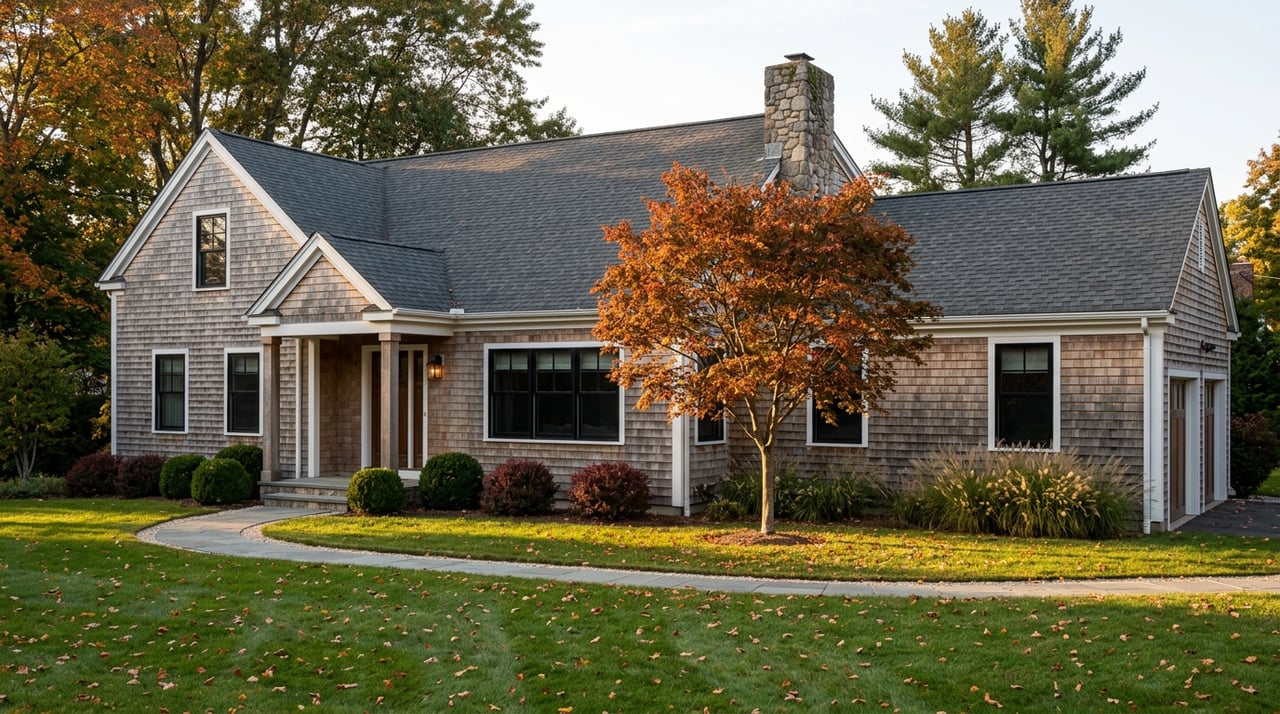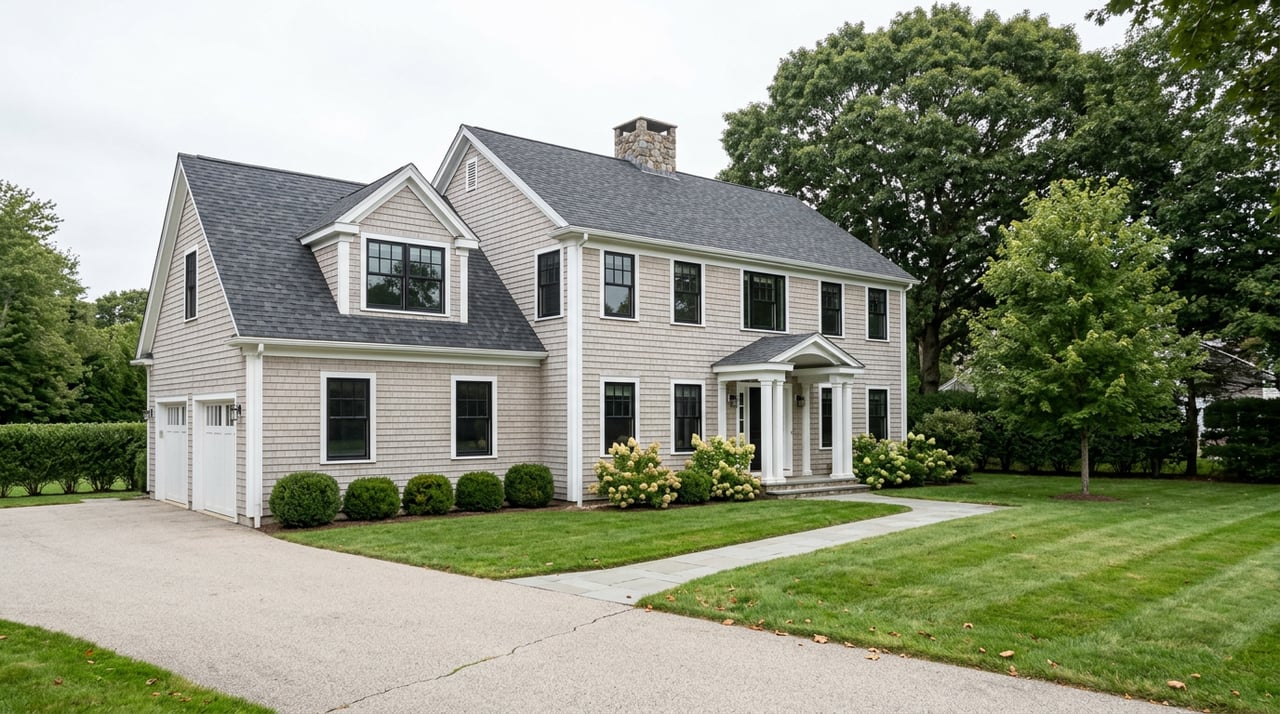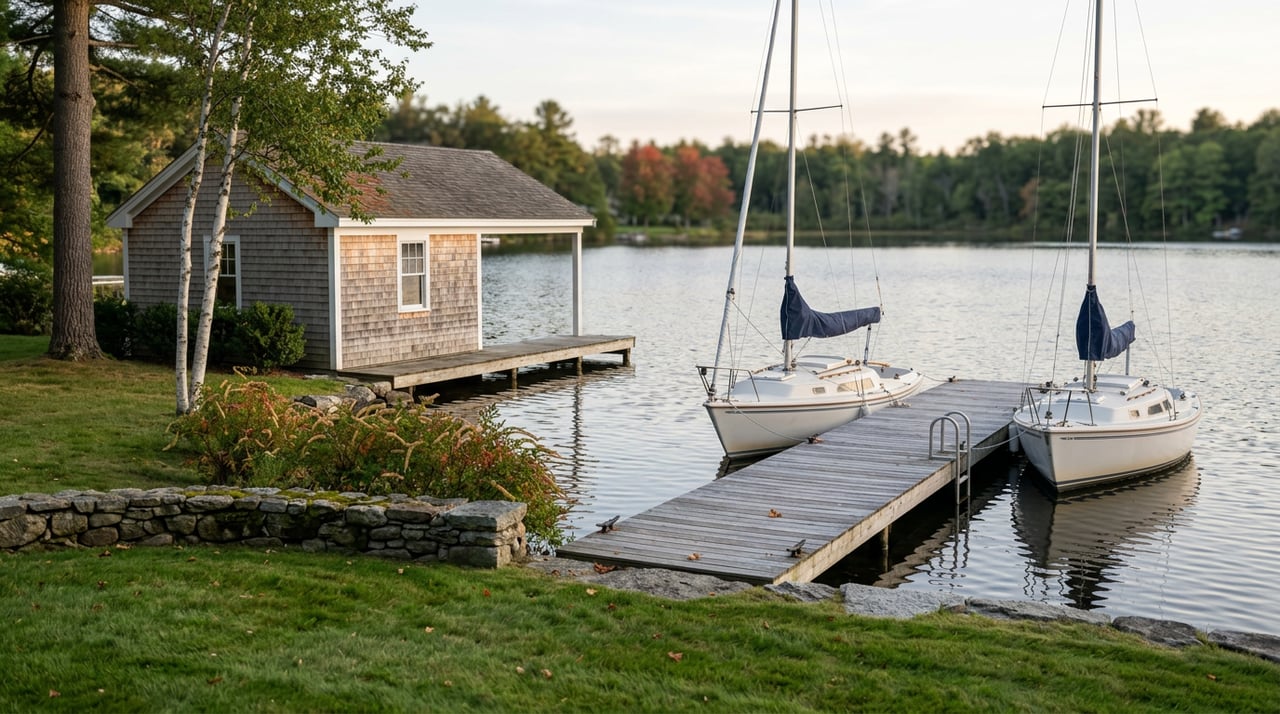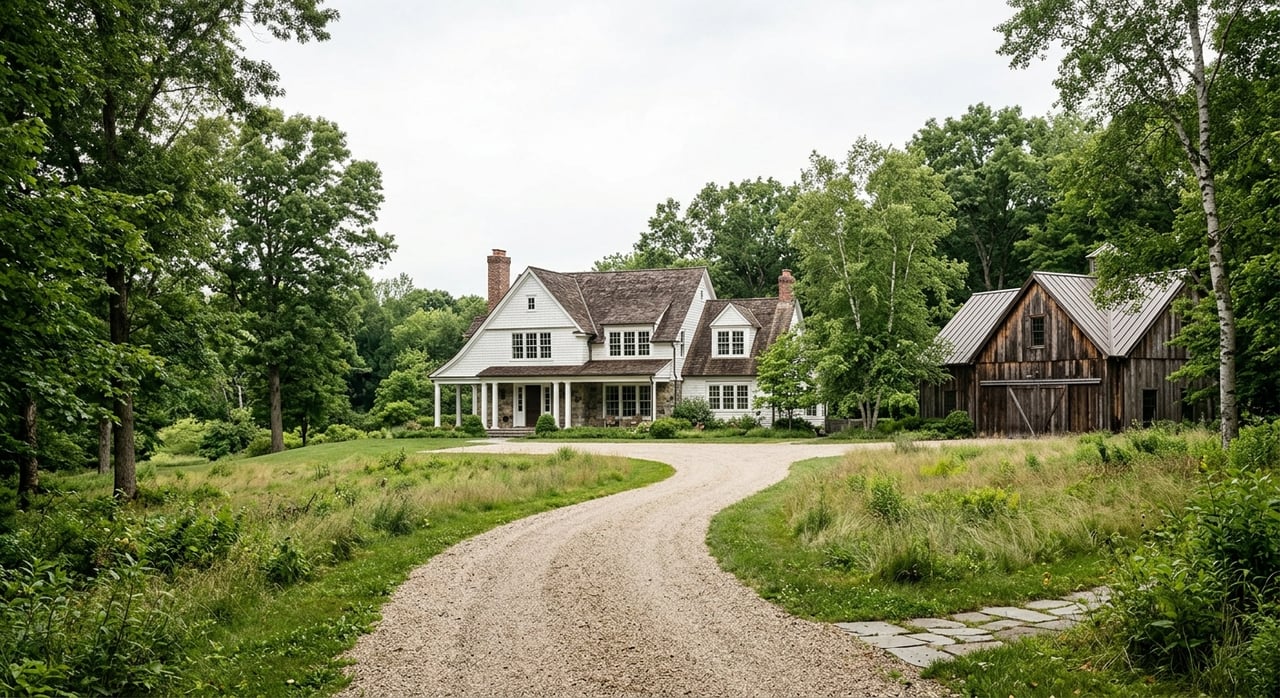
If you are drawn to Sherborn for privacy, open views, and room to spread out, a larger lot can be a real advantage. It can also come with more moving parts than buyers expect, especially when the property relies on private systems and the land itself shapes what you can build, change, or maintain. Understanding those details early can help you buy with more confidence and plan for the way you actually want to live. Let’s dive in.
Why Sherborn acreage feels different
Sherborn has a distinct semi-rural pattern that sets it apart from more typical suburban markets. Town materials describe open space covering more than half of the land area, along with farms, orchards, winding roads, and a modest town center.
That setting matters when you look at larger lots. In Sherborn, acreage is not just about extra land behind the house. It is part of a broader town layout where homes often rely on private wells and septic systems, and where open land remains a visible part of daily life.
Protected land also helps explain why many properties feel buffered and private. Sherborn's conservation network includes large parcels such as Barber Reservation at 190.87 acres and Prospect-Perry/Hal Dalzell Trail at 90.96 acres.
What larger lots usually require
Acreage can offer flexibility, but it rarely means fewer rules. In Sherborn, larger lots often bring more systems, more site conditions, and more questions about what is possible now and later.
The first thing to know is that Sherborn has no municipal sewer or water system. That means homes depend on private wells for water and septic systems for wastewater, and the Board of Health reviews septic and well plans.
If you are thinking about additions or future expansion, bedroom count becomes especially important. Sherborn states that bedroom count is determined by septic capacity, so a larger home or renovation may require a larger septic system.
MassDEP recommends pumping septic systems at least every three years. For wells, regulation is local, and homeowners are responsible for periodic testing.
Septic and well questions to ask early
On an acreage property, private infrastructure is part of the home purchase, not a side detail. Before you move forward, you will want a clear understanding of how the existing systems support the current home and your future plans.
Here are a few practical questions to ask:
- What is the septic system designed to support in terms of bedroom count?
- Has the septic system been maintained on a regular schedule?
- Is there documentation for the well and any testing history?
- Would a future addition affect septic sizing or layout?
- Are there site constraints that could limit replacement or expansion later?
These questions matter because the land may look expansive while the usable area for systems is more limited. Wetlands, setbacks, and groundwater conditions can all shape what works on paper and what gets approved.
Zoning still matters on big parcels
A large lot can create a sense of freedom, but zoning still defines the framework. Sherborn's zoning bylaw requires one-, two-, or three-acre building lots in the residential districts.
Even in open-space subdivision design, where minimum lot size may be relaxed, development is still tied to water supply, sewage disposal, groundwater protection, and wetlands constraints. In other words, more land does not automatically mean easier expansion or subdivision.
This is one reason due diligence matters so much in Sherborn. If you are buying with a long-term vision, it is worth looking beyond the house itself and focusing on how the parcel is regulated.
Wetlands and buffer zones can shape plans
In Sherborn, environmental conditions can strongly influence what you can do with a property. The Conservation Commission has permit authority for wetlands and buffer-zone work.
The town explains that the first 50 feet from a wetland edge is a no-alteration zone. The next 50 feet is a buffer zone with limited activity.
That can affect more than a major addition. Depending on the site, it may influence landscaping, grading, clearing, accessory structures, and future plans for outdoor improvements.
If part of a parcel is especially sensitive or you want to preserve land from future development, Sherborn also advises owners to consider a conservation restriction. That can be an important planning tool for some properties.
Driveways, scenic roads, and site access
Access issues come up more often on larger lots than many buyers expect. If a property sits on a scenic road or if you are thinking about changing site access, the review process may be more involved.
Sherborn states that tree removal or stone-wall alteration on Scenic Roads requires a public hearing before the Planning Board. The town also limits curb cuts to one per lot.
That may not affect every buyer, but it matters if you are considering driveway changes, new entry sequences, or broader site work. On acreage, the approach to the house is often part of the appeal, so it is smart to understand any limitations early.
ADU potential on larger properties
For buyers who want flexibility, an accessory dwelling unit may be part of the appeal of a larger lot. Sherborn's ADU guidance says Massachusetts' 2024 ADU law allows a property owner to build an ADU without special or discretionary approval from the local zoning board.
That said, Sherborn also makes clear that local restrictions still apply. Size, entrance, setbacks, and Title V-related requirements all still matter.
So yes, a larger parcel may create opportunities for guest space, a studio, or an ADU-style setup, but the lot itself is only part of the picture. The property still has to work within local rules and septic capacity.
Daily life on acreage in Sherborn
Owning more land changes your routines as much as it changes your setting. In Sherborn, larger-lot living usually comes with a more car-oriented lifestyle.
The town is about 18 miles southwest of Boston, and Sherborn's 2022 aging-needs assessment found that residents commonly wanted better transit access. Residents specifically noted having to drive to Natick for commuter rail, along with limited sidewalks and the cost of car ownership.
For many households, that means planning around driving for commuting, errands, and activities. If you are moving from a more walkable area, that shift is worth thinking through before you buy.
Maintenance is different on a bigger lot
A larger property often means a different maintenance rhythm. Brush, leaves, tree work, drainage, driveway upkeep, and seasonal planning can all become a bigger part of homeownership.
Sherborn's Transfer Station and Recycling Center uses dual-stream recycling, encourages food-waste composting, and requires resident stickers. The town also notes that the recycling center does not accept yard waste, so landscape debris needs its own disposal plan.
Open burning is also regulated through a permit system and can be restricted by air-quality and fire-safety conditions. That means routine property cleanup may require more planning than it would on a smaller suburban lot.
Water planning matters in dry periods
Because Sherborn homes rely on private wells, water use is part of acreage ownership in a very practical way. During dry periods, the town warns that wells can drop and advises residents to conserve water and contact the Board of Health if a well runs dry.
That is an important reminder for buyers who picture large lawns, extensive landscaping, or heavier outdoor water use. The beauty of a larger lot is real, but water availability is tied to groundwater conditions, not just the size of the parcel.
Tax and land-use details to review
Some Sherborn acreage properties may be enrolled in Chapter 61, 61A, or 61B tax programs. According to the assessor FAQ, those classifications for forestry, agriculture, and open space or recreation receive lower real estate taxes.
If a property is enrolled, that is worth understanding early in the process. It can affect how the land is currently classified and how you think about ownership, use, and future plans.
This is another example of why acreage purchases benefit from a careful, property-specific review. The headline appeal may be the land itself, but the real value often comes from understanding how that land functions.
What to focus on before you buy
If you are considering acreage in Sherborn, it helps to look at the property through both a lifestyle lens and a systems lens. Privacy and open space are important, but so are the practical details that shape ownership.
A smart review often includes:
- Septic capacity and how it relates to bedroom count
- Well location and available testing information
- Wetlands, no-alteration zones, and buffer zones
- Driveway access and scenic road restrictions
- Yard waste and ongoing landscape maintenance plans
- Potential ADU or future expansion constraints
- Chapter 61, 61A, or 61B classification status
- Commuting patterns and day-to-day driving needs
When you understand those items upfront, you are in a much better position to judge whether a property fits your goals now and over time.
Sherborn acreage living can be incredibly appealing if you want space, privacy, and a setting that feels more rural than many Greater Boston suburbs. The key is knowing that larger lots require more than admiration from the road. They require thoughtful planning, clear due diligence, and a realistic view of how the land, systems, and town rules all work together.
If you are weighing a move to Sherborn or comparing larger-lot properties across MetroWest, Rachel Lieberman can help you evaluate the details with a calm, strategic approach.
FAQs
What does acreage living in Sherborn MA usually require?
- Acreage living in Sherborn usually requires you to evaluate private well and septic systems, wetlands and buffer zones, zoning, driveway access, yard-waste planning, and day-to-day driving needs.
How does septic capacity affect a Sherborn MA home?
- In Sherborn, bedroom count is determined by septic capacity, so a renovation, addition, or change in use may require a larger septic system.
Are there municipal water and sewer systems in Sherborn MA?
- No. Sherborn states that homes rely on individual wells and septic systems rather than municipal water and sewer service.
Can wetlands limit what you do on a Sherborn MA lot?
- Yes. Sherborn says the first 50 feet from a wetland edge is a no-alteration zone, and the next 50 feet is a buffer zone with limited activity.
Can you add an ADU on a larger lot in Sherborn MA?
- Possibly. Sherborn says ADUs may be allowed under the 2024 Massachusetts ADU law, but local restrictions, setbacks, size rules, entrance requirements, and Title V-related requirements still apply.
What should buyers ask about a larger lot in Sherborn MA?
- Buyers should ask about septic capacity, well testing, wetlands or conservation restrictions, tax classification under Chapter 61, 61A, or 61B, driveway limits, and how much driving the household should expect.