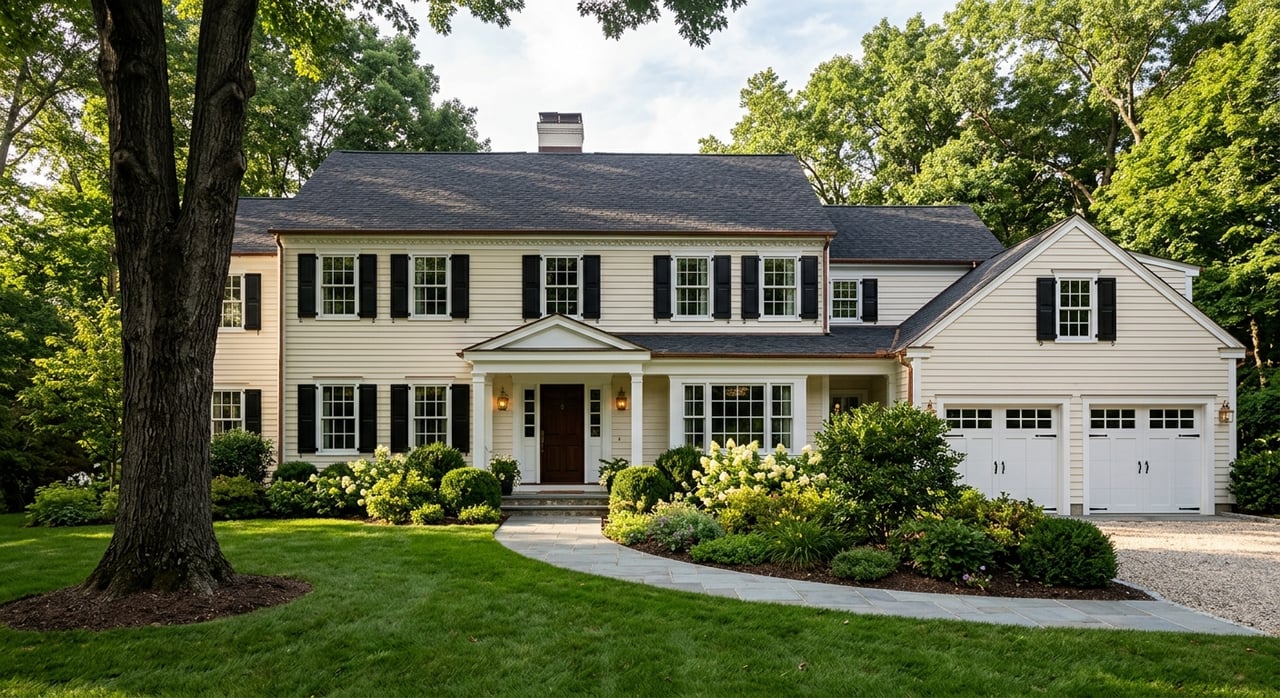
Trying to choose between Sudbury and Wayland? If you are weighing both towns, you are probably looking at a similar price point but a meaningfully different day-to-day experience. The good news is that both communities offer strong housing demand, established residential character, and access to MetroWest and greater Boston. The key is understanding which tradeoffs fit your life best. Let’s dive in.
Sudbury vs Wayland at a glance
At a high level, Sudbury and Wayland are both competitive, higher-price MetroWest markets with a suburban feel. As of May 2026, Redfin shows a median sale price of $1,141,817 in Sudbury and $1,224,267 in Wayland. Homes also move quickly in both towns, with median days on market of 19 in Sudbury and 18 in Wayland.
That means this comparison is less about finding a bargain and more about finding the right fit. In simple terms, Sudbury tends to lean toward space, larger lots, and a more semi-rural setting. Wayland tends to offer a bit more flexibility in housing choices, stronger transit support, and a more concentrated convenience pattern.
Homes in Sudbury and Wayland
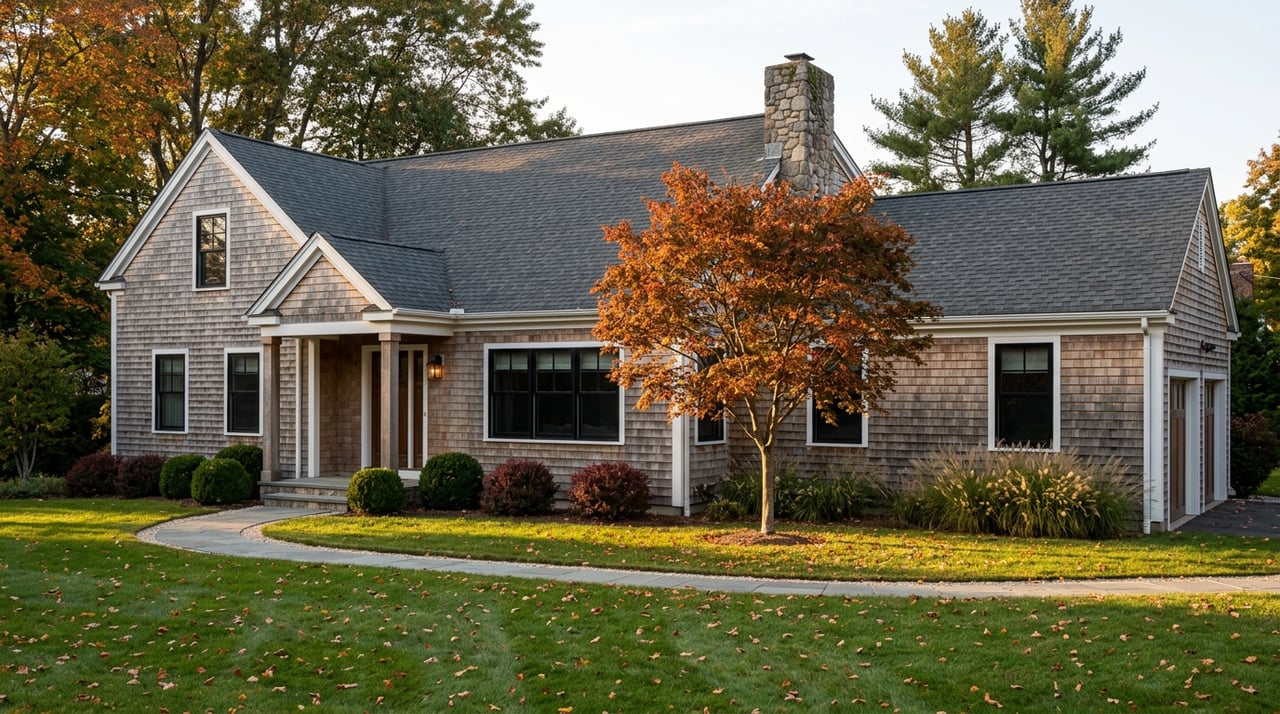
Sudbury homes skew larger
Sudbury is especially shaped by detached single-family housing. According to the town’s 2024 Housing Production Plan, 94% of Sudbury’s 6,323 housing units are single-family homes. That strongly influences what buyers see on the market, from home style to lot size to overall maintenance expectations.
The size mix also helps explain Sudbury’s feel. Only 15% of single-family homes sold in 2023 were under 2,000 square feet, while 29% were larger than 4,000 square feet. If you are hoping for a larger home with more land and more separation from neighbors, Sudbury often matches that goal well.
Sudbury lots are typically bigger
Sudbury zoning reinforces that spacious pattern. Residential zoning standards include minimum lot areas of 40,000 square feet in Residence A and 60,000 square feet in Residence C. In practice, many buyers experience Sudbury as a place where privacy and yard space are part of the core value proposition.
That said, the town’s housing plan also notes that modest homes can be harder to justify because of land values. Future single-family growth is expected to be mostly smaller infill rather than major new subdivisions. For buyers, that can mean fewer lower-maintenance or smaller-format options over time.
Wayland offers more housing variety
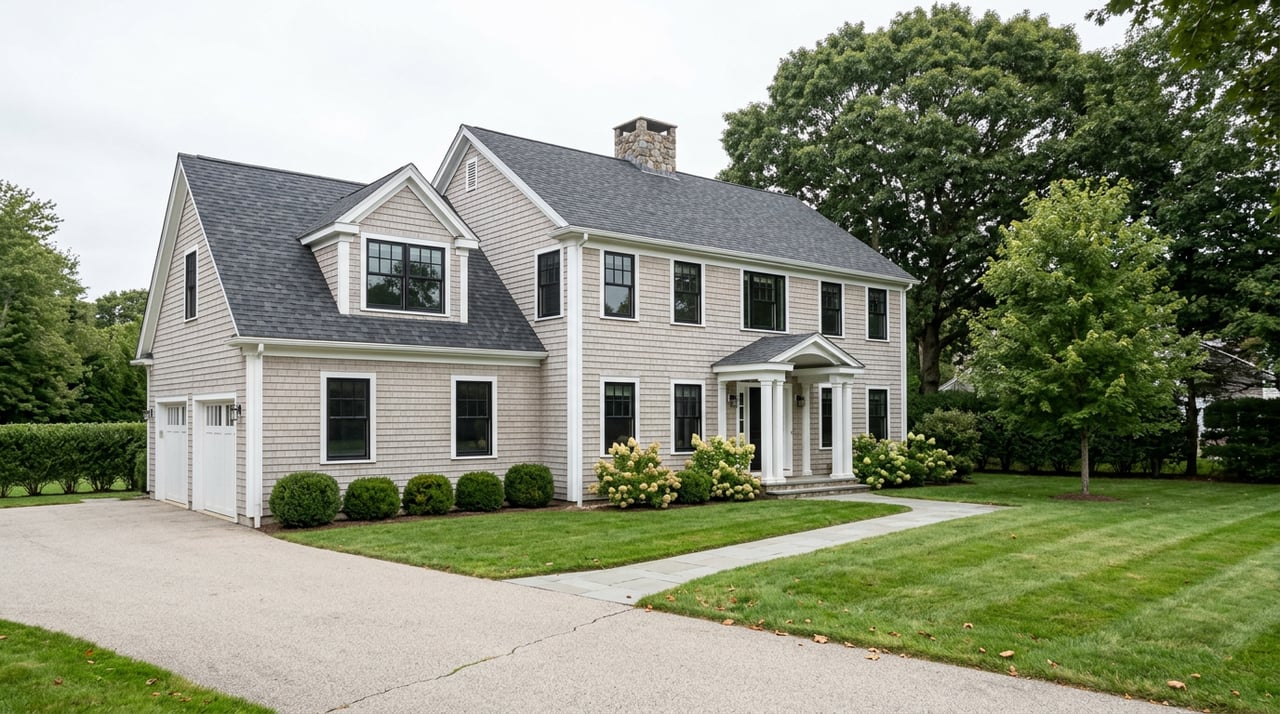
Wayland is still predominantly single-family, but the housing mix is broader. The town’s Housing Production Plan reports 4,053 single-family units and 591 condominium units, along with smaller numbers of two-family, three-family, and 4+ unit or boarding-house properties. That creates more pathways for buyers who want options beyond a traditional detached house.
Wayland zoning also allows for more lot-size variation. Town materials identify single-residence subdistricts with 20,000, 30,000, 40,000, and 60,000 square foot lot standards. Compared with Sudbury, that gives Wayland a somewhat more flexible housing pattern.
Wayland has more paths to smaller units
Recent town materials show Wayland now allows accessory dwelling units by-right in single residential zoning districts. The town also has active multifamily overlay districts under its MBTA Communities zoning work. While Wayland still feels suburban and lot-oriented, these rules support a somewhat wider range of housing types now and in the future.
For you as a buyer, that can matter if you want a condo, an attached home, or a property type that may involve less upkeep. It can also matter if you are thinking long term and want a town with somewhat more housing flexibility than a strictly detached-home market.
Home prices and competition
Both towns are expensive and fast-moving
If you are deciding between Sudbury and Wayland based on market ease, there is not a dramatic gap. Redfin’s May 2026 snapshot shows Sudbury with a sale-to-list ratio of 100.3% and Wayland at 101.9%. Both markets are described as very competitive.
In other words, buyers should be prepared for a market where strong homes can move quickly. The practical difference is usually not whether one town is calm and the other is intense. It is whether the home style, lot pattern, and lifestyle in one town feel worth the premium to you.
Wayland is slightly higher on price
Based on the same May 2026 data, Wayland’s median sale price is modestly higher than Sudbury’s. Wayland comes in at $1,224,267, while Sudbury is at $1,141,817. That does not automatically mean better value in one town or the other, but it does suggest buyers may be paying a bit more for Wayland’s location advantages, housing mix, and convenience pattern.
The longer trend also matters. Sudbury’s housing plan says median single-family prices rose above $1 million in 2021, and median condo prices surpassed $800,000 in 2022. Wayland’s 2022 housing plan reported 2021 median sale prices of about $905,000 overall, $950,000 for single-family homes, and $712,500 for condos. Current snapshots in both towns are higher, which points to continued upward movement over the last few years.
Commutes and transportation
Sudbury is mainly car-oriented
For many buyers, the real difference between Sudbury and Wayland shows up Monday through Friday. Sudbury has regional road connectivity through Routes 117, 27, and 20, and it sits roughly between I-95 and I-495. That makes it workable for many drivers heading into Boston, MetroWest, or other nearby employment centers.
At the same time, Sudbury’s Transportation Committee notes that there is no public transportation within town boundaries. It also notes that commuter rail parking in adjoining towns is limited. Sudbury does offer specialized transportation, including the Sudbury-Wayland Boston Hospital Shuttle and other town-run or senior-oriented services, but everyday commuting is still largely car-based.
Wayland has stronger transit support
Wayland is also a car-oriented suburb, but it offers a stronger transportation toolkit. The town’s official data profile lists major roadways including US Route 20, Interstate 90, Route 27, and Route 126. That gives drivers especially direct access for travel toward Boston and across MetroWest.
Wayland residents also have fixed-route bus service through the MWRTA, and Dial-A-Ride provides curb-to-curb service for eligible riders. This does not make Wayland a transit-heavy location, but it does provide more public transportation support than Sudbury. If commute flexibility matters to you, that difference is worth weighing carefully.
Lifestyle and daily feel
Sudbury feels more semi-rural
Sudbury’s identity is often tied to space, scenery, and a historic feel. The town’s Route 20 corridor study describes Sudbury as having a semi-rural landscape, scenic beauty, and historic charm. That lines up with what many buyers notice on the ground: more separation between homes, more emphasis on land, and a quieter overall rhythm.
Sudbury also has strong outdoor appeal. The town highlights conservation areas such as Piper Farm, Cutting Farm, and Haynes Meadow, along with rail-trail work and passive recreation opportunities. If your ideal day includes more open space and a less concentrated commercial pattern, Sudbury may feel like the better match.
Sudbury still has practical retail access
A semi-rural feel does not mean isolation. The Route 20 study identifies Route 20 as Sudbury’s economic backbone, and Meadow Walk adds a mixed-use retail center anchored by Whole Foods. That gives residents a practical convenience corridor while preserving a more spread-out residential environment in much of town.
For many buyers, that mix is appealing. You can have a home setting that feels quieter and more spacious, while still having a recognizable retail hub for errands and everyday needs.
Wayland feels more village-oriented
Wayland’s day-to-day character often reads as somewhat more concentrated. Town pages point to a long-running mixed-use Town Center project and a Route 20 master-planning effort. Together, those efforts suggest a convenience pattern that is more centered around the town-center and Route 20 corridor.
That does not make Wayland urban. It still offers a suburban setting with open space and a residential feel. But compared with Sudbury, it can feel a bit more organized around central nodes and everyday access.
Wayland stands out for trails and open space
Wayland also has a strong outdoor identity. The Conservation Commission says the town has 19 major conservation areas, and the town estimates that about 20% of its area is secured as open space. The town also promotes a beach, the East Coast Greenway connection, and the Mass Central Rail Trail corridor.
If you want outdoor access woven into daily life, Wayland offers plenty of it. The difference is that Wayland pairs that recreational identity with a somewhat more village-like convenience structure, while Sudbury pairs it with a more semi-rural and historic atmosphere.
Which town fits your priorities?
Choose Sudbury for space and privacy
Sudbury may be the stronger fit if your top priorities include:
- Larger detached homes
- Bigger lots and more privacy
- A semi-rural setting
- Historic character
- Strong Route 20 retail access without a more concentrated town-center feel
If you are picturing a home where land, scale, and separation are central to the decision, Sudbury often delivers that experience more consistently.
Choose Wayland for convenience and flexibility
Wayland may make more sense if you are focused on:
- A broader housing mix
- More condo or attached-home possibilities
- More varied lot sizes
- Stronger local transit support
- A more village-oriented convenience pattern
If you want flexibility in both housing type and daily movement, Wayland often has the edge.
The real decision
When buyers compare Sudbury and Wayland, the choice usually comes down to how you want to live, not just what you want to spend. Both towns are premium markets. Both move quickly. Both offer suburban living with access to outdoor space and established residential character.
The deciding question is usually this: do you want more space and a semi-rural feel, or do you want more flexibility and a slightly easier everyday convenience pattern? If you can answer that clearly, the short list often becomes much simpler.
If you are weighing Sudbury, Wayland, or both, Rachel Lieberman can help you compare inventory, pricing, and tradeoffs with a calm, strategic approach tailored to your move.
FAQs
How do Sudbury and Wayland compare on home prices?
- As of May 2026, Redfin shows a median sale price of $1,141,817 in Sudbury and $1,224,267 in Wayland, with both markets moving quickly and remaining highly competitive.
How do Sudbury and Wayland compare on housing types?
- Sudbury is more heavily dominated by single-family homes, while Wayland still leans single-family but offers a broader mix that includes more condominiums and more flexibility for accessory dwelling units and multifamily supply.
How do Sudbury and Wayland compare for commuting?
- Both towns are mainly car-oriented, but Wayland has stronger road access and fixed-route bus service, while Sudbury has no public transportation within town boundaries.
How do Sudbury and Wayland compare on lot sizes?
- Sudbury generally trends toward larger lots, with zoning districts that include 40,000 and 60,000 square foot minimums, while Wayland includes a wider range of lot standards from 20,000 to 60,000 square feet.
How do Sudbury and Wayland compare on lifestyle?
- Sudbury is often experienced as more semi-rural and historic, while Wayland tends to feel a bit more village-oriented, with both towns offering meaningful access to conservation land, trails, and outdoor recreation.