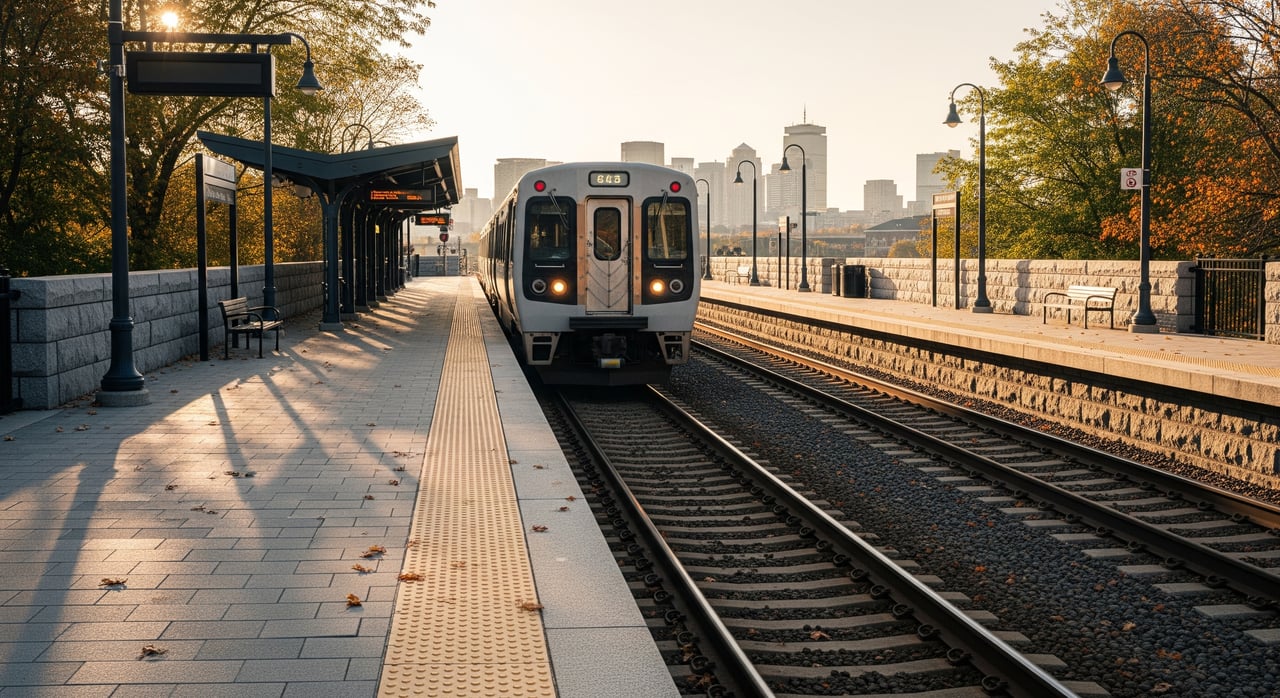
Thinking about a move to Wellesley and trying to picture your daily ride into Boston? You are not alone. You want good schools, space, and a commute you can count on without losing your mornings to traffic. In this guide, you will see the real tradeoffs between the commuter rail and driving, typical door-to-door times, peak windows, and how commute realities should shape your Wellesley home search. Let’s dive in.
Commute options in Wellesley
MBTA Commuter Rail
Wellesley has three stations on the Framingham/Worcester Line: Wellesley Farms, Wellesley Hills, and Wellesley Square. The line offers direct service to Boston, including Back Bay and South Station, with a mix of local and peak-period express trains. Check the current Framingham/Worcester Line schedule and the line page for updates and alerts on service status.
Why riders choose it:
- Predictable run times when trains are on schedule, plus the ability to read or work onboard.
- Direct access into downtown Boston without parking hassles.
What to plan for:
- First and last mile time to and from the station.
- Station parking limits and permits, which vary by lot and town rules.
- Evening and weekend schedule differences.
Driving via the Mass Pike (I-90)
I-90 is the most direct highway from Wellesley into Boston. Depending on your starting point, you will enter the Pike through Newton or West Newton. You will pay tolls, and your arrival time can vary with incidents or weather.
Why drivers choose it:
- Door-to-door control and flexibility in route and timing.
- Direct access to employment clusters beyond the core downtown.
What to plan for:
- Peak congestion that can stretch your ride.
- Parking availability and cost at your destination.
Driving via Route 9
Route 9 runs through Wellesley and heads east toward Boston, connecting to Boylston Street and Back Bay approaches. It is an alternative to the Pike and can be useful depending on your destination.
What to plan for:
- Signals, downtown congestion, and time to find parking can add minutes.
- Variable speeds in heavy traffic.
Local buses and employer shuttles
MBTA bus options in Wellesley are limited for direct trips to downtown Boston, so the commuter rail is the primary public transit. Many employers run shuttles from rail or subway hubs. Check your employer’s commuter benefits and shuttle options before you decide where to live.
Typical times and peak windows
Peak travel windows
- Morning inbound: about 6:30 to 9:30 AM.
- Evening outbound: about 4:00 to 7:00 PM.
- Hybrid work has stretched peaks, so mid-morning and late afternoon can also be busy.
Door-to-door time ranges
- Commuter rail to Back Bay or South Station: about 30 to 45 minutes door to door for many riders. Add 10 to 20 minutes beyond the scheduled run to account for getting to the station, wait time, and your final walk or transfer.
- Driving via Mass Pike from central Wellesley: about 25 to 45 minutes in lighter traffic, and 30 to 60 plus minutes during heavy peaks or incidents.
- Driving via Route 9 to Back Bay area: about 30 to 60 plus minutes depending on signals, downtown congestion, and parking search time.
Reliability and costs
- Reliability: Trains can face delays from signal work, track projects, or winter weather. Highways can slow sharply with crashes or lane closures. Major incidents on I-90 can create large swings in travel time.
- Costs: Transit costs include single rides and monthly passes. See current MBTA fares and passes. Driving costs include tolls, fuel, and parking. Many employers subsidize transit or parking, which can change the math.
How commute choices shape where you live
Living near a Wellesley station
If you want a shorter door-to-desk time and fewer variables, focus on homes near Wellesley Farms, Wellesley Hills, or Wellesley Square. These areas tend to be more walkable, with a mix of condos, townhomes, and smaller-lot single-family homes. You may pay a premium to be close to rail and amenities, and inventory near stations often moves quickly.
Living farther from stations
Homes away from the stations often sit on larger lots with more outdoor space and privacy. If you plan to drive most days, or your schedule is flexible, these areas can offer more house for the price. Expect a longer drive to rail or highway ramps.
Route 9 corridor considerations
If you plan to drive, proximity to Route 9 can be a time-saver. You will also find newer condo developments and some attached townhouses near commercial nodes. Be mindful that a busy arterial can bring more traffic and less walkability.
Parking and driveway needs
If you will drive to Boston or to a station, prioritize a home with a driveway or garage. Public parking at Wellesley commuter rail stations is limited and managed by the town or private lots. Review current rules for fees and permits on the Town of Wellesley parking page.
Schools and demand
Wellesley’s public schools drive strong housing demand, and many buyers accept a longer commute to live here. This tends to support prices near station areas and downtown services. Use your commute budget to balance time, access, and space.
Match your home search to your commute goals
Set a realistic time budget
Define your acceptable door-to-desk time in minutes. Common buckets are 45 minutes or less, 45 to 60 minutes, and 60 plus minutes. Use that target to guide neighborhoods and transportation choices.
Prioritize first and last mile access
- If you plan to take the train, set a walking threshold to the station, such as 10 to 20 minutes. If you will drive to the station, confirm where you will park and what it costs.
- If you plan to drive into Boston, test both I-90 and Route 9 during your actual work hours.
Test real commutes before you offer
Do at least one round-trip during a typical weekday peak. Try different stations, like Wellesley Farms versus Wellesley Hills, and compare routes. Use real-time traffic tools and check MBTA line updates on the Framingham/Worcester Line page before you go.
Factor employer policies
Ask about transit reimbursement, parking subsidies, or flexible start times. A monthly pass or subsidized garage can tilt the decision to rail or driving.
Use focused search filters
When you work with your agent and search portals, filter for:
- Walking distance to station and sidewalk connectivity.
- Driveway or garage parking.
- Proximity to Route 9 or I-90 access points.
- Whether the property sits within a walkable downtown node or a quieter residential pocket.
Plan for hybrid work
If you only commute a few days a week, you may trade a longer travel time for more space or a better home office. Make sure the property has reliable internet and a quiet work area.
When Norfolk is part of your comparison
If you are weighing Wellesley against towns to the south, remember that Norfolk is on the MBTA Franklin Line, which also runs to South Station. Schedules and run times differ by line, so compare your specific station-to-office route. Check the Franklin Line schedule and confirm station parking rules with the Town of Norfolk.
What to check before you decide
- MBTA schedules and alerts for your line and stations: Framingham/Worcester Line and Franklin Line.
- Traffic conditions and incidents: the MassDOT real-time traffic map.
- Station and town parking rules: Town of Wellesley parking resources and the Town of Norfolk for local updates.
Ready to align your Wellesley home search with the commute that fits your life? Let’s tailor a plan that balances time, access, and value. Schedule a strategy call with Rachel Lieberman to map your routes, shortlist the right neighborhoods, and move with confidence.
FAQs
What is the fastest commute from Wellesley to downtown Boston?
- In light traffic, driving via I-90 can be about 25 to 45 minutes door to door, while the commuter rail typically runs about 30 to 45 minutes including station access and final walk.
How reliable is the MBTA Commuter Rail from Wellesley?
- It is generally predictable when running, but can face delays from track work, signal issues, or winter weather; always check the Framingham/Worcester Line page before you travel.
Is driving or taking the train cheaper from Wellesley?
- It depends on your parking costs, tolls, and whether your employer subsidizes transit or parking; review current MBTA fares and passes and your employer’s benefits.
Which Wellesley neighborhoods work best for commuters?
- If you take the train, target homes near Wellesley Farms, Hills, or Square; if you drive, consider access to I-90 ramps or Route 9 and prioritize properties with driveway or garage parking.
How does Norfolk’s Franklin Line compare for Boston commutes?
- Norfolk riders use the Franklin Line to South Station; compare its schedule and station parking rules with your Wellesley options, then test your door-to-desk time during a typical weekday.