Ever wonder why two Back Bay condos with similar square footage have very different monthly fees? When you are comparing a classic brownstone to a full-service building, the line items inside the condo fee tell the story. Understanding what those fees cover, how the association plans for big repairs, and what it means for your monthly budget can save you stress and money. This guide explains what Back Bay condo fees include, how to read budgets and reserves, the trade-offs between brownstones and larger buildings, and the questions to ask before you buy. Let’s dive in.
What your Back Bay condo fee covers
Back Bay condo fees fund the building’s operations, upkeep, and long-term repairs. Expect to see these core items:
- Common elements and exterior care. Cleaning and repairs for lobbies, hallways, stairs, roofs, masonry, and windows in shared areas. Historic brick and stone often need specialized work.
- Master insurance. The association’s policy covers common areas and some unit structure. Coverage type varies. You still need an HO-6 policy for interior finishes, contents, liability, and any deductible responsibility. For background on policy types and HO-6 coverage, see the Insurance Information Institute’s consumer resources at the Insurance Information Institute.
- Reserves for capital projects. Regular deposits fund big-ticket replacements such as roofs, façade work, elevators, boilers, windows, and sprinkler systems.
- Operations and maintenance. Routine cleaning, repairs, elevator service, pest control, and HVAC service for shared systems. In larger buildings, doorman or concierge staffing and a superintendent are common cost drivers.
- Utilities. Common-area electricity, water, and sometimes centrally supplied heat or hot water. Coverage varies by building. Trash and snow removal are usually included.
- Amenities and upkeep. Gyms, pools, roof decks, lounges, garages, shared laundry, and storage add both operating and capital costs.
- Administration and professional services. Property management, accounting, legal fees, bank fees, and meeting costs.
- Taxes and municipal charges. Your unit’s property taxes are typically separate. In rare cases, an association may pay taxes on a shared parcel.
- Other items. Insurance deductibles, contingency funds, or special assessments for one-time needs if reserves fall short.
Boston-specific cost factors
- Snow removal is a regular and sometimes sizable line item. For local standards and responsibilities, review the City of Boston’s guidance at the City of Boston.
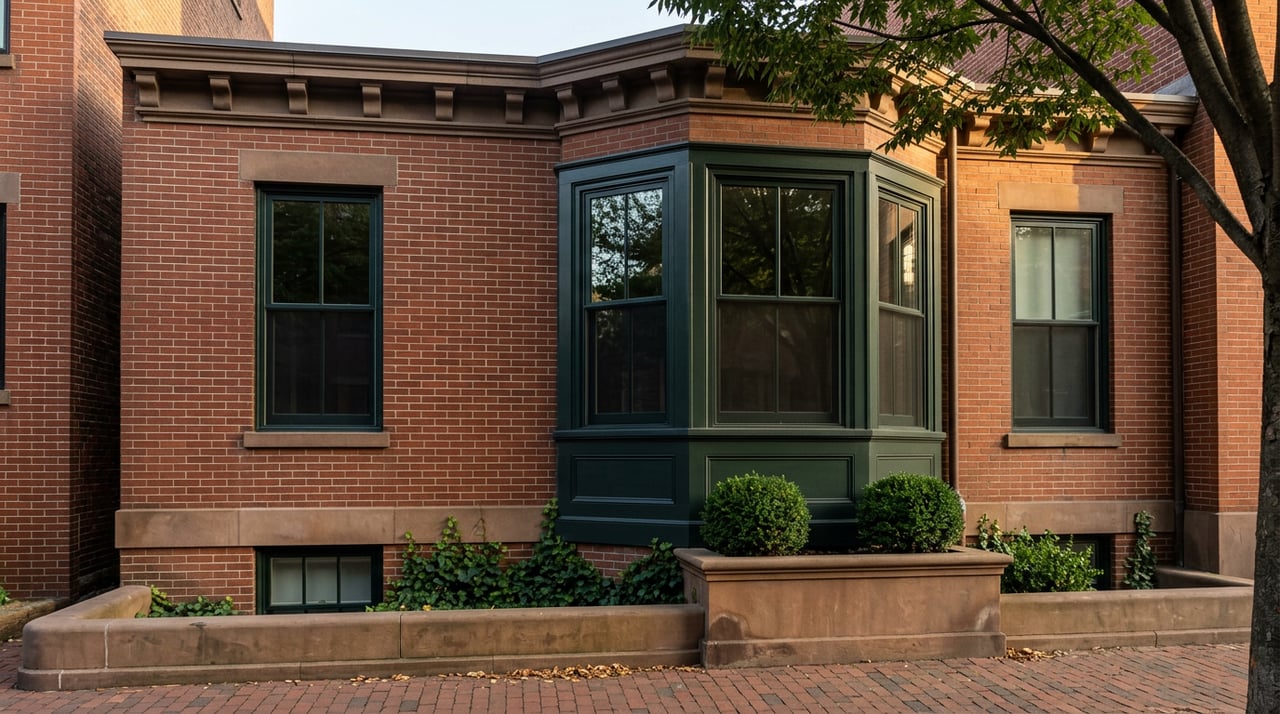
- Historic exteriors in Back Bay often need masonry, lintel, cornice, slate-roof, and window work, which can be capital-intensive.
- Older building systems such as central boilers, shared hot water, and elevators may drive future projects.
- Flood risk can affect insurance and improvements in parts of Boston. Check the FEMA Flood Map Service Center for zone information and discuss building mitigation with management.
Brownstones vs high-rises
Brownstone condominiums
- Often have lower monthly fees due to fewer amenities and smaller common areas.
- May be self-managed or use a small manager, which can mean lower overhead but more variability.
- Capital needs can be lumpy. A single roof or façade project may trigger a special assessment if reserves are light.
- Utilities are often individually metered. Concierge or doorman services are rare.
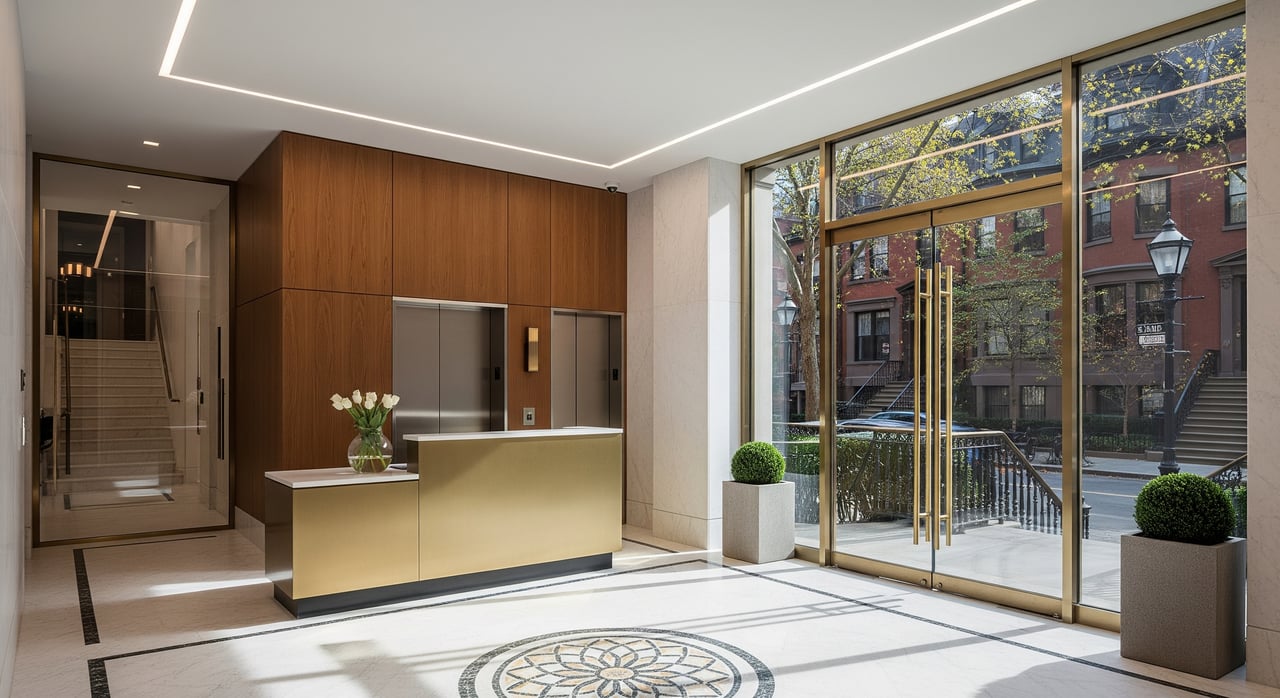
Larger or amenity buildings
- Fees are typically higher because of staffing, amenities, central systems, and larger common areas.
- Usually professionally managed with regular reserve studies and more predictable budgeting.
- Capital exposures include elevators, boilers or CHP systems, garage repairs, façade maintenance, and amenity refreshes.
- Heat, hot water, and some utilities or services may be included in fees or allocated through the association.
Choosing your fit
- If you want predictability and services, a larger building may suit you, with higher monthly fees and fewer surprises.
- If you prefer lower monthly carry and accept some risk of special assessments, a brownstone can be compelling.
- Match the building type to your lifestyle and risk tolerance.
Read budgets and reserves
You will receive two key financial views: the operating budget and the reserve plan.
- Operating budget. Covers recurring annual costs like staff, insurance, utilities, and management. Review several years for trends and fee increases.
- Reserve study. A professional analysis that forecasts timing and costs for big projects and recommends annual contributions. For industry basics on reserve planning, see the Community Associations Institute at the Community Associations Institute.
- Percent funded. A benchmark that compares current reserve balance to the fully funded level. Lower funding can mean a higher risk of future special assessments or steep increases. For plain-English explanations, see resources at Association Reserves.
Documents to request
Ask for these items during your review window:
- Current operating budget and the last year-end financial statements.
- The latest reserve study and any bids or reports for upcoming projects.
- Bank statements showing reserve balances and the most recent accountant-prepared financials.
- Board meeting minutes for the last 12 to 24 months.
- Management contract outlining services and cost.
- Insurance certificate and master policy summary with coverage type and deductible.
- Governing documents: declaration, master deed, bylaws, and rules.
- History of special assessments and any pending assessments.
- Owner delinquency report.
- Unit ledger and estoppel or resale certificate if available.
If you have questions on rights and responsibilities, review Massachusetts law with your attorney. You can also read the statute text in Chapter 183A of the Massachusetts General Laws.
Compare monthly costs
Normalize the numbers so you can compare apples to apples:
- Start with the stated monthly condo fee.
- Add the estimated monthly cost of utilities that are not included, plus parking if it is billed separately or leased.
- If a special assessment is scheduled, spread it over your expected ownership period to get a monthly equivalent.
- Divide the total by the unit’s square footage to get a $ per square foot per month figure.
- Weigh the total against the building’s services, amenities, and reserve planning.
Smart questions to ask
Use this checklist with the board, manager, or seller:
- Can I review the current budget, the last 2 to 3 years of financials, and the most recent reserve study?
- What is the reserve balance and percent funded, or how much is contributed annually?
- What projects are planned in the next 1 to 5 years, and are bids or financing in place?
- What special assessments occurred in the last 5 to 10 years and why?
- Which utilities are included in the fee, and are any units submetered?
- What is the master insurance deductible and how is it allocated to unit owners?
- Are there any current or anticipated lawsuits or code violations?
- What is the owner delinquency rate, and are there large delinquencies?
- Who manages the property, and may I review the management contract?
Red flags to investigate
- No reserve study or one that is outdated.
- Low reserves paired with visible exterior needs like roof or masonry work.
- Repeated special assessments or sudden fee spikes.
- Significant litigation or large recent legal fees.
- High owner delinquencies or operating deficits.
- Insurance lapses or unusually high deductibles with unclear owner exposure.
Professionals to involve
- A Massachusetts real estate attorney to review documents and the resale certificate under Chapter 183A.
- A condo-savvy home inspector to evaluate common areas and building envelope.
- An insurance agent to align your HO-6 coverage with the master policy and deductible.
- A reserve specialist or engineer if major projects appear likely.
Plan for after you buy
Expect periodic fee increases tied to inflation, labor, utilities, and insurance. Engage with meetings and consider serving on the board so you can help shape reserve funding and project planning. Confirm your HO-6 policy covers master policy gaps and any deductible responsibility.
Your next step
If you want a clear, side-by-side comparison of Back Bay options, I will help you review budgets, minutes, and reserves, then normalize monthly costs so you can choose with confidence. For hands-on guidance from search to negotiation to closing, connect with Rachel Lieberman. Schedule a strategy call.
FAQs
What do typical Back Bay condo fees include?
- They usually cover common-area maintenance, the master insurance policy, contributions to reserves for big repairs, operations and staffing, some utilities for common areas, and administrative costs.
How do brownstone fees differ from high-rise fees in Back Bay?
- Brownstones often have lower monthly fees but less predictable capital funding, while high-rises have higher fees for staffing and amenities with more regular reserve planning and services included.
What is a condo reserve study and why does it matter?
- A reserve study forecasts when major components will need replacement and recommends annual contributions, which helps you gauge the risk of future assessments and fee increases.
Do Boston condo fees include property taxes?
- Typically no. Unit owners pay their own property taxes, though an association may sometimes pay taxes on a shared parcel if the structure requires it.
What insurance do I need in addition to the master policy?
- You need an HO-6 policy for your interior finishes, personal property, and liability, and to address any deductible responsibility assigned to owners by the association.
How can I compare condo fees across buildings fairly?
- Add excluded utilities and any assessment amounts to the monthly fee, include parking costs, then compare on both total monthly outlay and dollars per square foot per month alongside amenities and services.